


Monuments

Defining the Arrival
Long before someone reaches the door, the experience of a property has already begun.
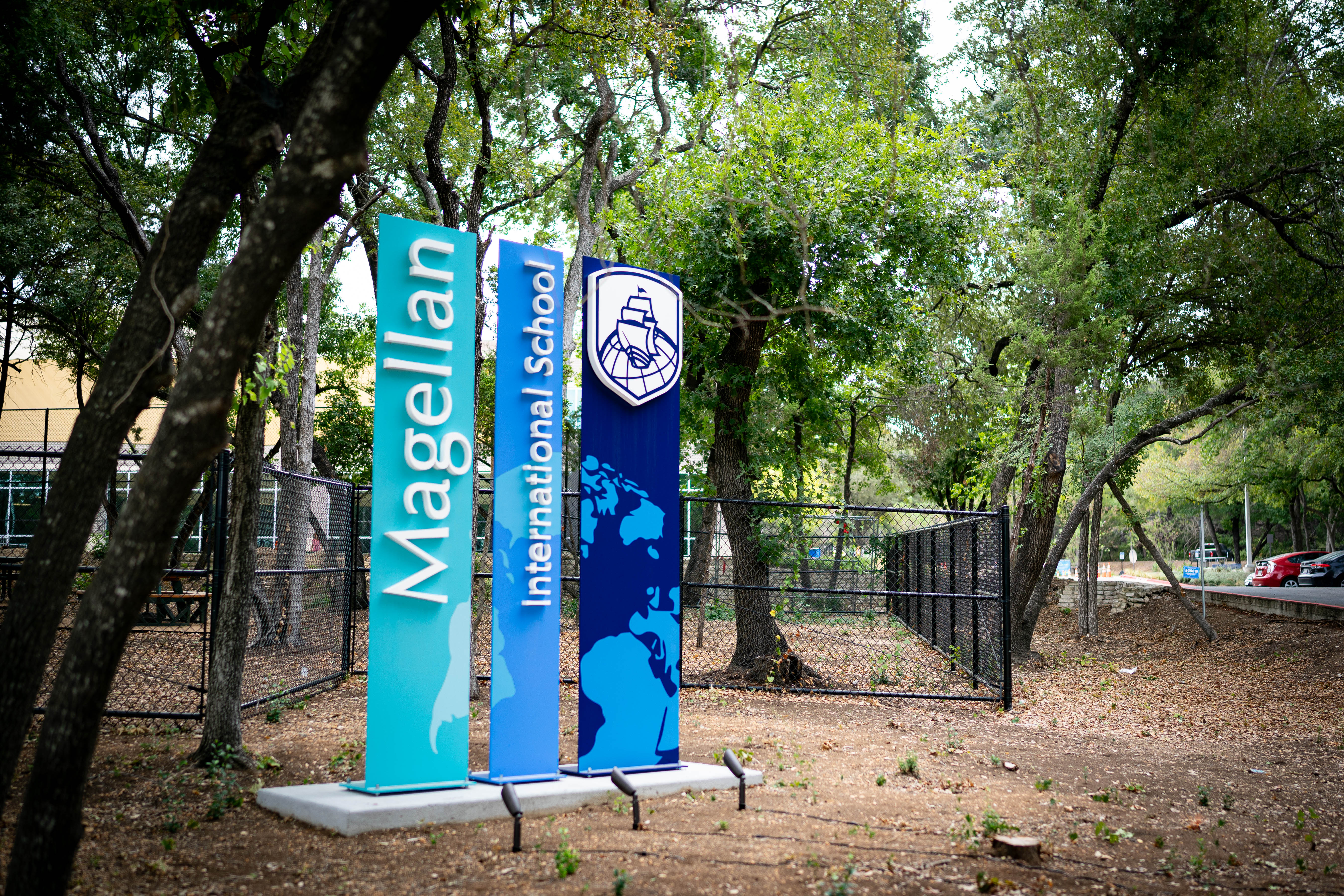
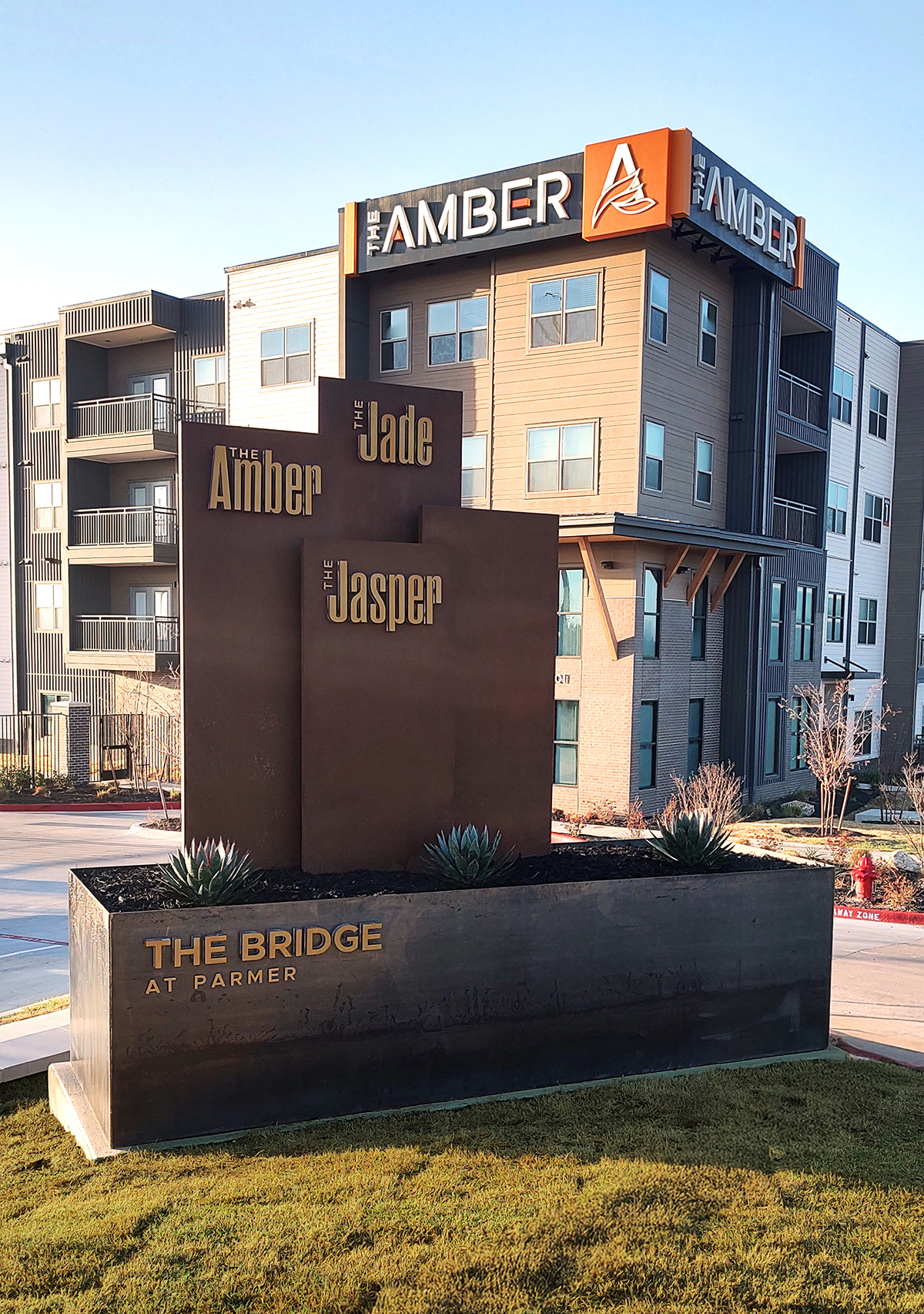
Monument signage creates that first moment of recognition, the point where destination, architecture, landscape, and identity come together. Done well, it does more than identify an address. It establishes presence.
We approach monuments as architectural elements shaped by their surroundings. Approach, traffic speed, sightlines, scale, landscape, materials, illumination, structure, and long-term exposure all inform the solution. The objective is not simply visibility, but permanence: a monument that feels specific to the property and grounded in its environment.
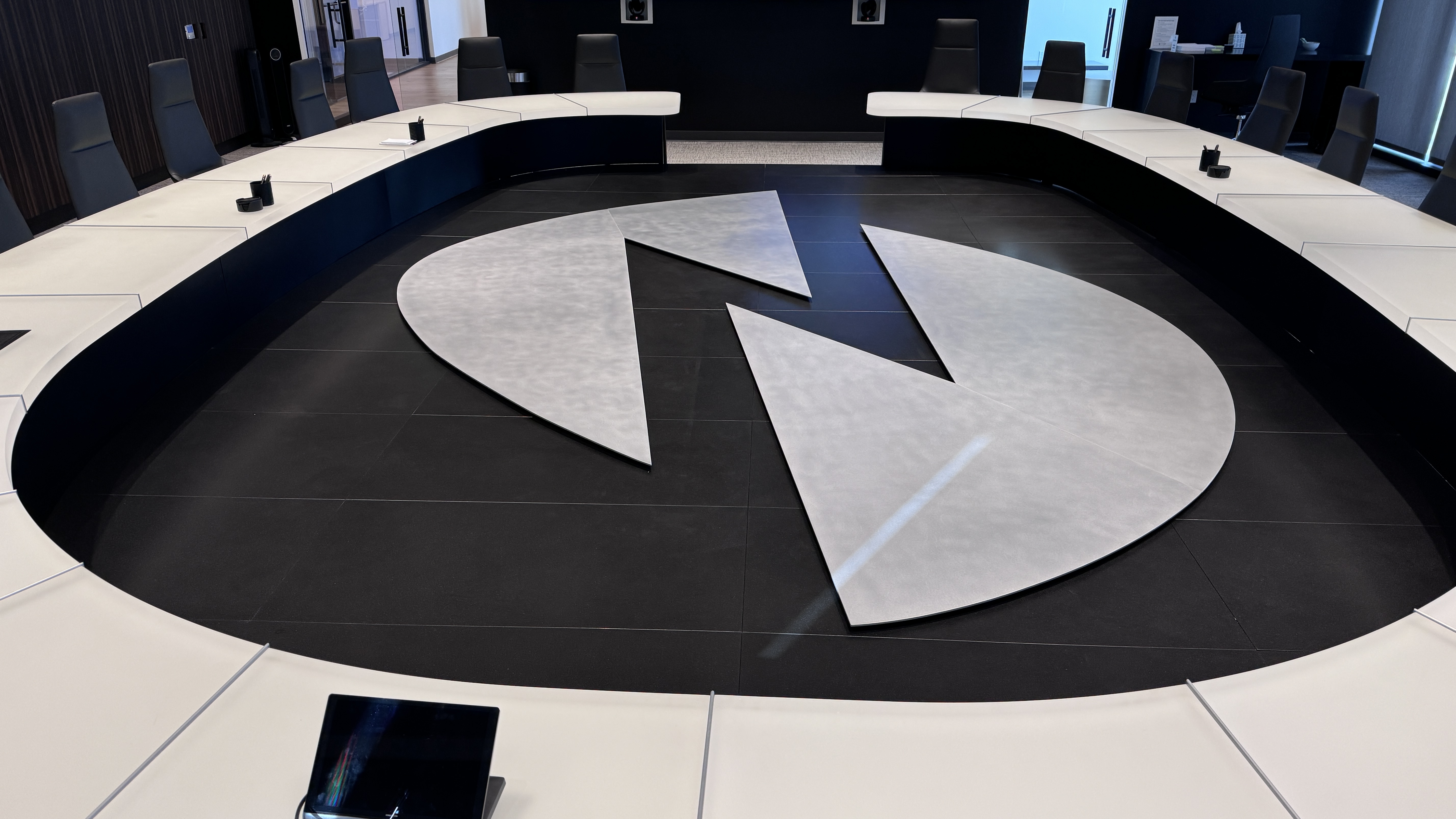
At Nutrabolt, the monument translates the brand's energy and confidence into a physical expression at the property entrance, establishing its identity before visitors ever reach the building.
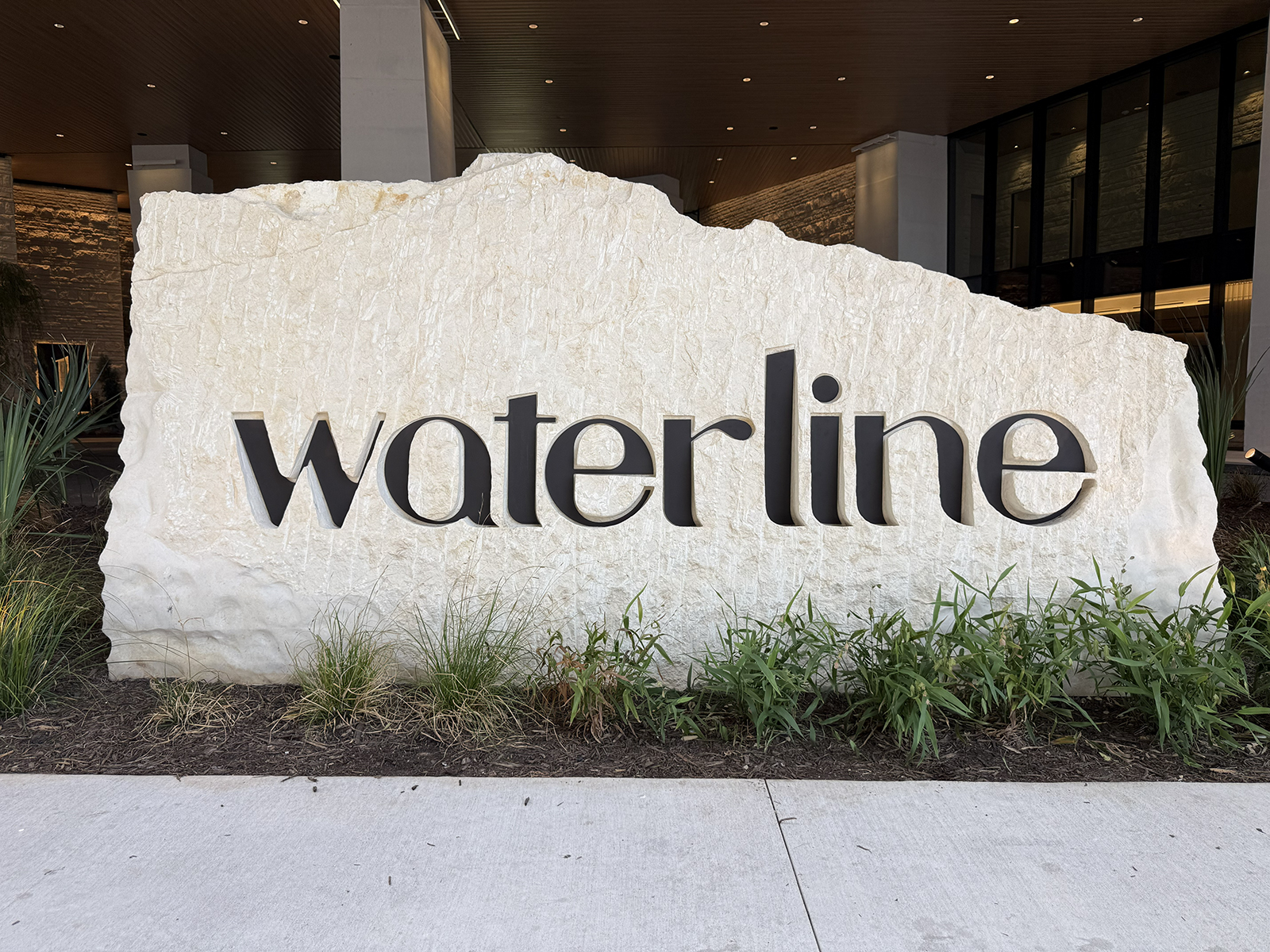
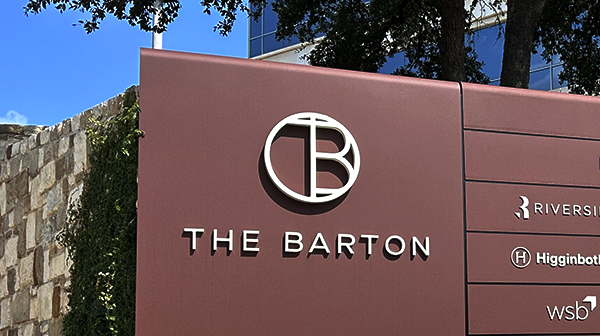
At Waterline Austin, monument identification becomes part of the arrival sequence for a landmark mixed-use development, integrated with the project's architecture and landscape to create a sophisticated, cohesive first impression.
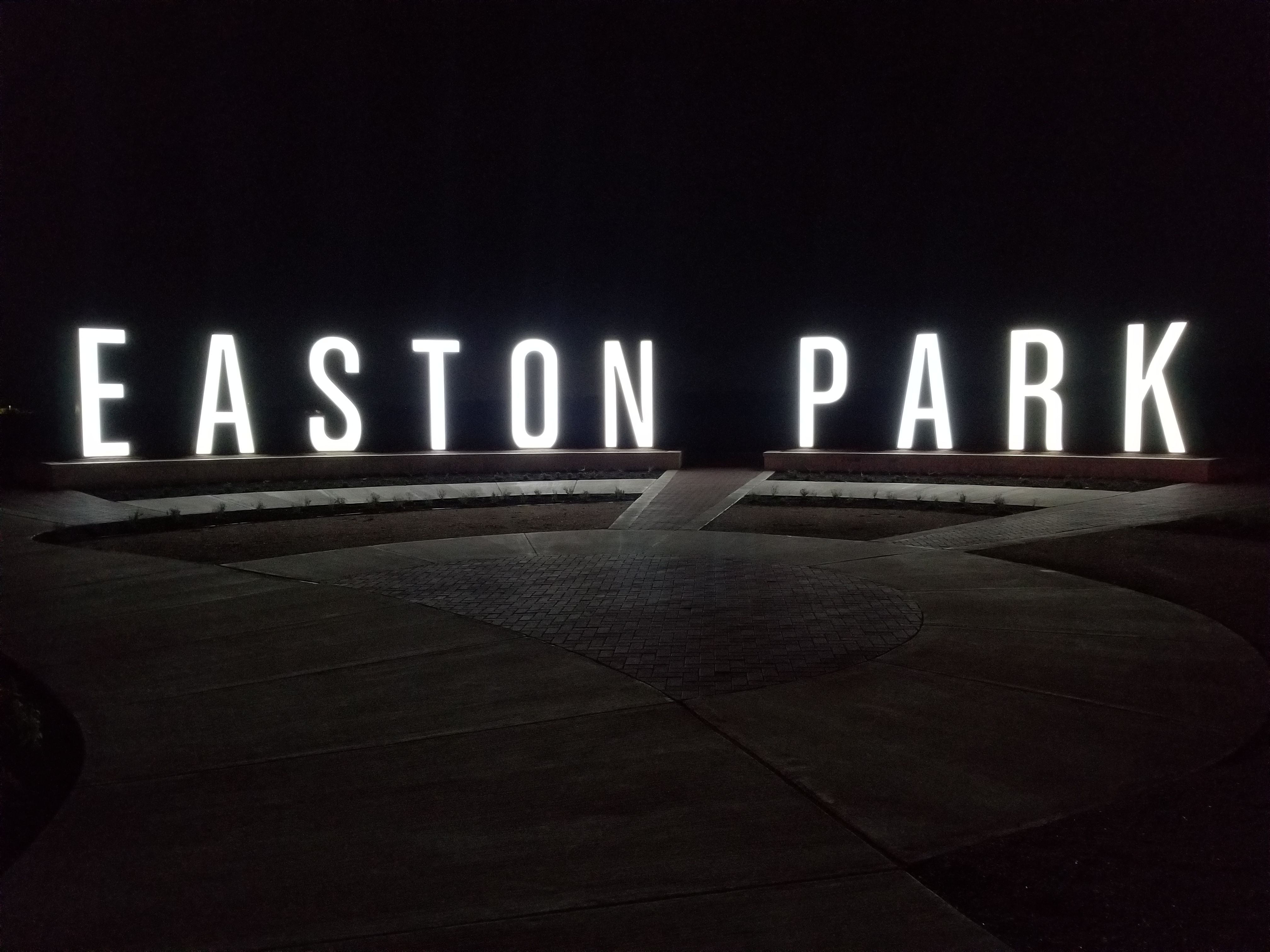
At Easton Park, monument signage works at the scale of an entire community. Monumental letterforms create an unmistakable sense of arrival, establishing a highly visible landmark that reinforces the development’s identity at an architectural scale.
From corporate campuses and hospitality destinations to mixed-use developments and master-planned communities, we create monument signage that connects brand, architecture, and place.
Because an entrance tells you where you are. An arrival tells you where you’ve come.




Testimonials
Questions we hear most
Answers from the team that designs, documents, fabricates, and installs the work.
Yes. Exterior signage is governed by the municipal sign code, and often by landlord or district criteria on top of it — allowable area, height, illumination, and placement. We review those constraints during design, prepare the permit drawings, provide engineering where a jurisdiction requires it, and manage the submission. Permit review time varies by city and is usually the longest single item in an exterior schedule, so we start it early.
Stone, cast concrete, brick, fabricated aluminum, and steel, usually with dimensional or illuminated letters and often with landscape and lighting designed around them. The material should come from the architecture it introduces. At Waterline the monument is a 12,000-pound piece of limestone because the tower's ground floor is limestone; a glass office campus would call for something else entirely.
Yes. Height, sign area, setback from the property line, sight-line triangles at drives, and illumination are all regulated, and the rules differ between cities and sometimes between zoning districts in the same city. We check the code before concept design so the monument you approve is one that can be permitted, and we manage the permit and any engineering the jurisdiction requires.
It depends less on fabrication than on three things around it: permit review, the foundation and site work, and the availability of the material. Natural stone and custom castings carry lead times that fabricated metal does not. Because a monument usually sits in a landscape and needs power, we coordinate with the civil, landscape, and electrical scopes so the foundation is poured and the conduit is in place before the sign arrives on site.
An entrance identity, usually a monument; vehicular and pedestrian wayfinding through the site; building and unit identification, which carries ADA requirements; amenity identification; parking and regulatory signage; and often leasing and branded graphics in the arrival sequence. The identity sets the tone of the property before anyone reaches the door, and the wayfinding decides whether a guest, a delivery, or an emergency responder can find a unit.