


Non-Profit
Projects
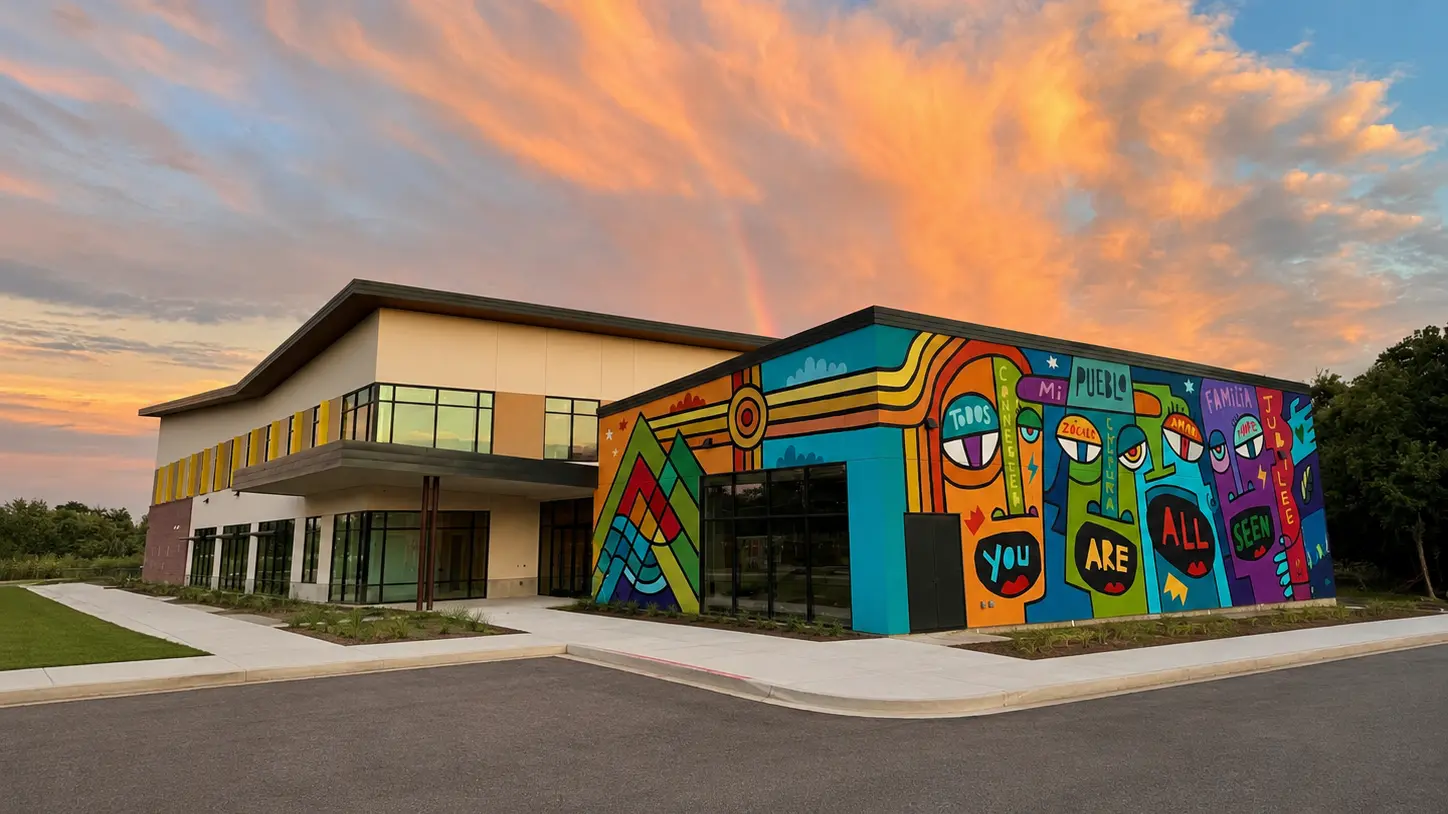
Design That Serves the Mission
Mission-driven organizations operate with a clarity of purpose that most environments are never asked to express. Our role is to translate that purpose into the built environment making it visible, legible, and experienced in a meaningful way.
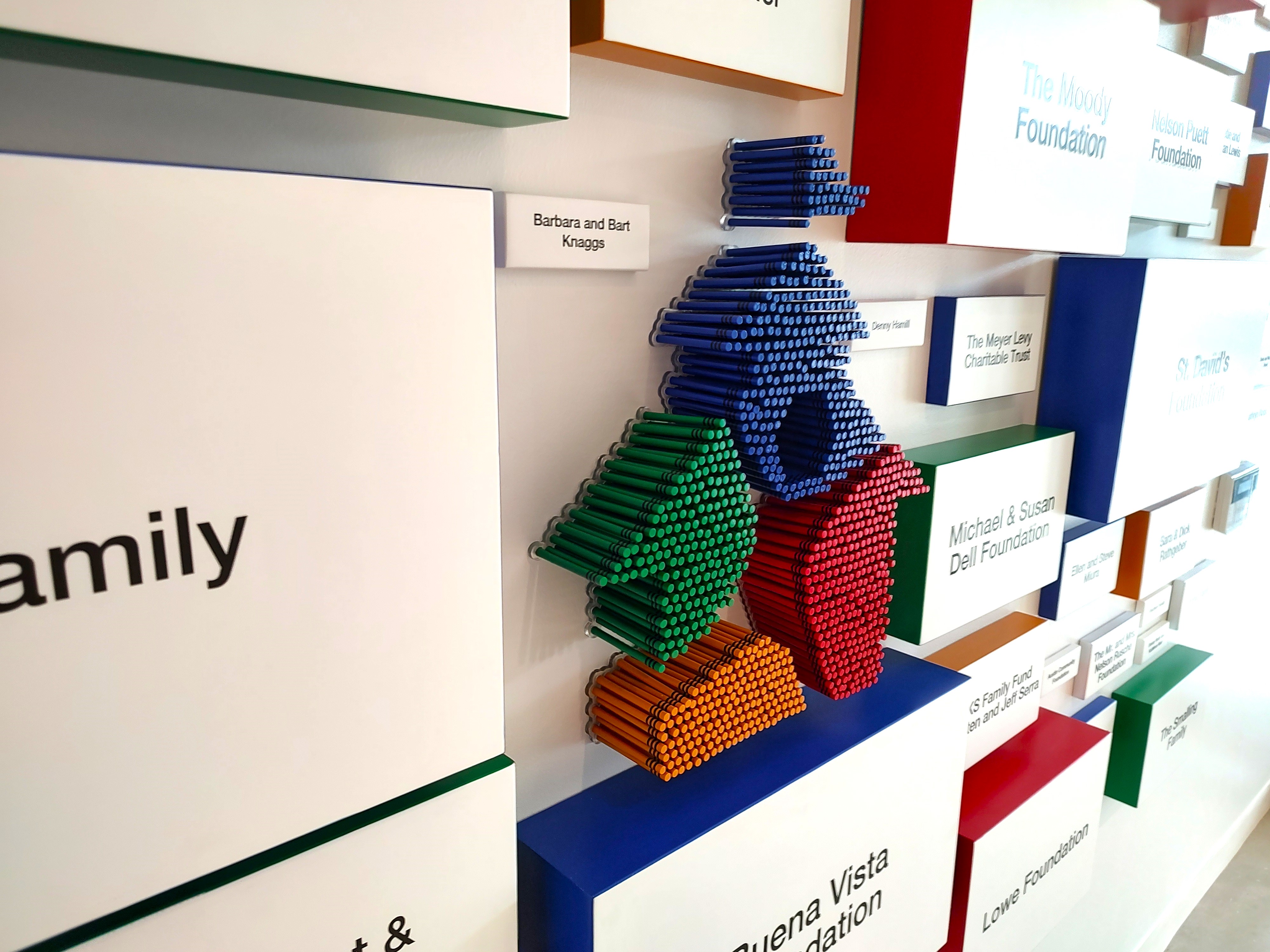
We design donor recognition walls, branded environments, wayfinding systems, environmental graphics, and placemaking elements that strengthen the connection between an organization, its supporters, and the communities it serves.
For cultural institutions, foundations, and community-focused organizations, every space is an opportunity to reinforce identity, communicate impact, and support engagement with the mission. Design in this context is not decorative, it is part of how the organization builds trust, recognition, and long-term support.
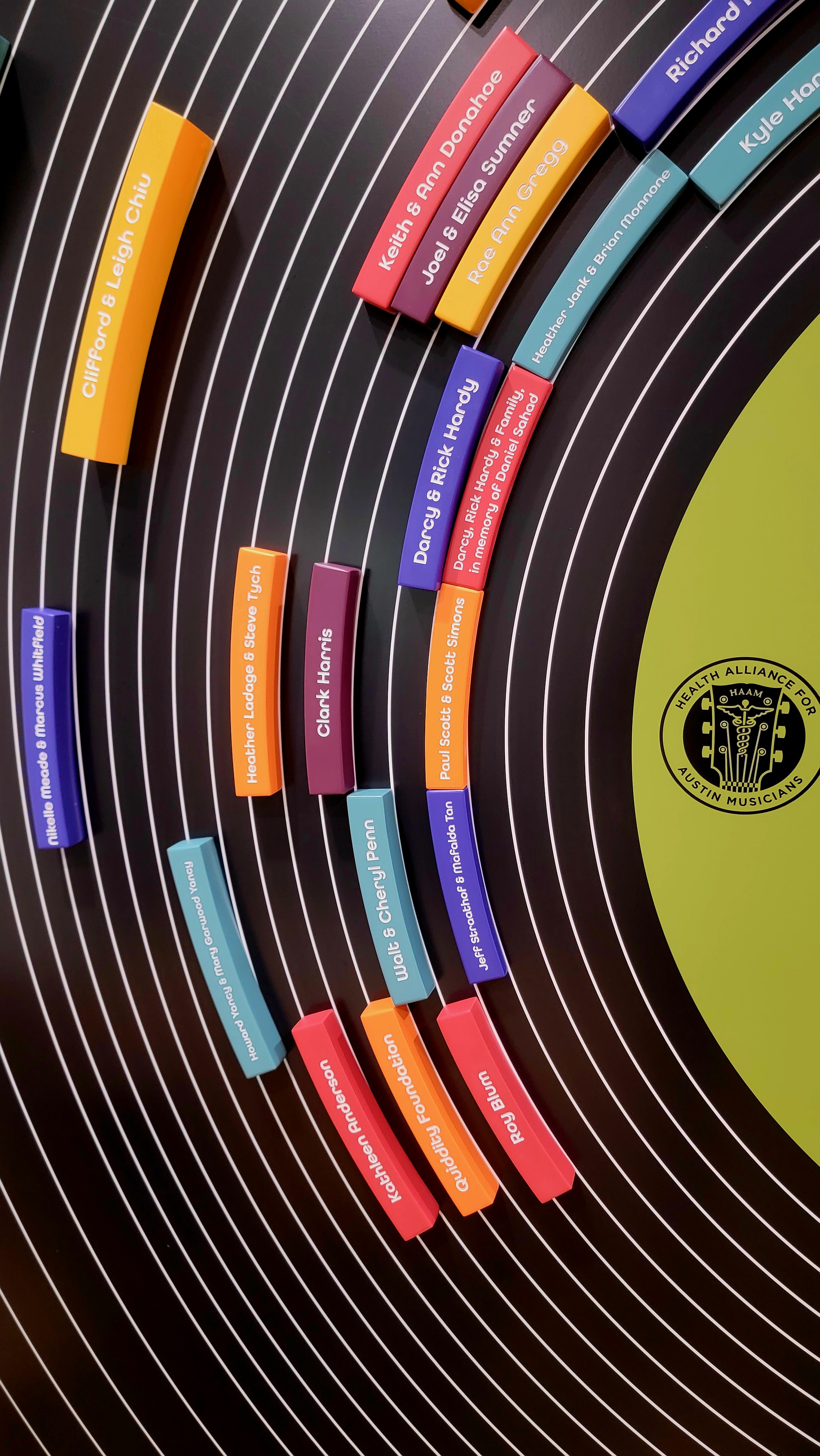
For Communities in Schools, we developed an environment that reflects the organization’s impact on students and families, embedding its mission into the space's daily experience. For HAAM, we created a branded environment that channels the energy of music and community into a physical expression of access, support, and visibility.
Each project is a direct response to mission, audience, and context, designed to strengthen how the organization is understood and experienced over time.
The most effective mission-driven spaces are the ones where purpose is not stated it is embedded in every layer of the environment.
The most powerful spaces we design are the ones where the mission lives in the walls, where every visitor leaves with a deeper understanding of why the work matters.
Questions we hear most
Answers from the team that designs, documents, fabricates, and installs the work.
By designing the wall as a system with room to grow. Names are carried on individual plates, tiles, or panels that mount to a base structure, so a new gift means a new element rather than a rebuild. We plan the layout for the campaign you expect, not only the one you have, and we document the plate specification so additions match years later. For programs that change often, a digital component can carry the most current recognition alongside the permanent one.
Metal, glass, acrylic, wood, and stone are the most common, often in combination, with dimensional letters, etched or printed graphics, and integrated lighting. The choice follows the architecture and the tone of the institution — a children's hospital and a university library call for different materials even when the gift levels are the same. We build samples before fabrication so the finish decisions are made on real material, not renderings.
Yes. A screen or touch display can sit within a permanent wall to carry stories, campaign progress, and recognition that changes too often to fabricate. The question to settle early is who maintains the content, because a digital wall with stale content undermines the permanent one beside it. We design the hardware, the enclosure, and the physical integration, and we help specify the content system so the two layers work together.
As part of telling the mission, not as a list of names. The most effective recognition explains what the giving built and invites the next gift, so we design the wall together with the story of the organization — its history, its impact, its people — and give the names a place within it. The system is built to grow with future campaigns, and the plate specification is documented so additions match years later.
Yes. The design and documentation can cover the whole program while fabrication and installation are phased by priority — code-required and wayfinding signage first, identity and recognition as funding allows. Because the standard is set in the first phase, later phases match without redesign, and a capital campaign can fund a named element on its own schedule.