


Branded Environments
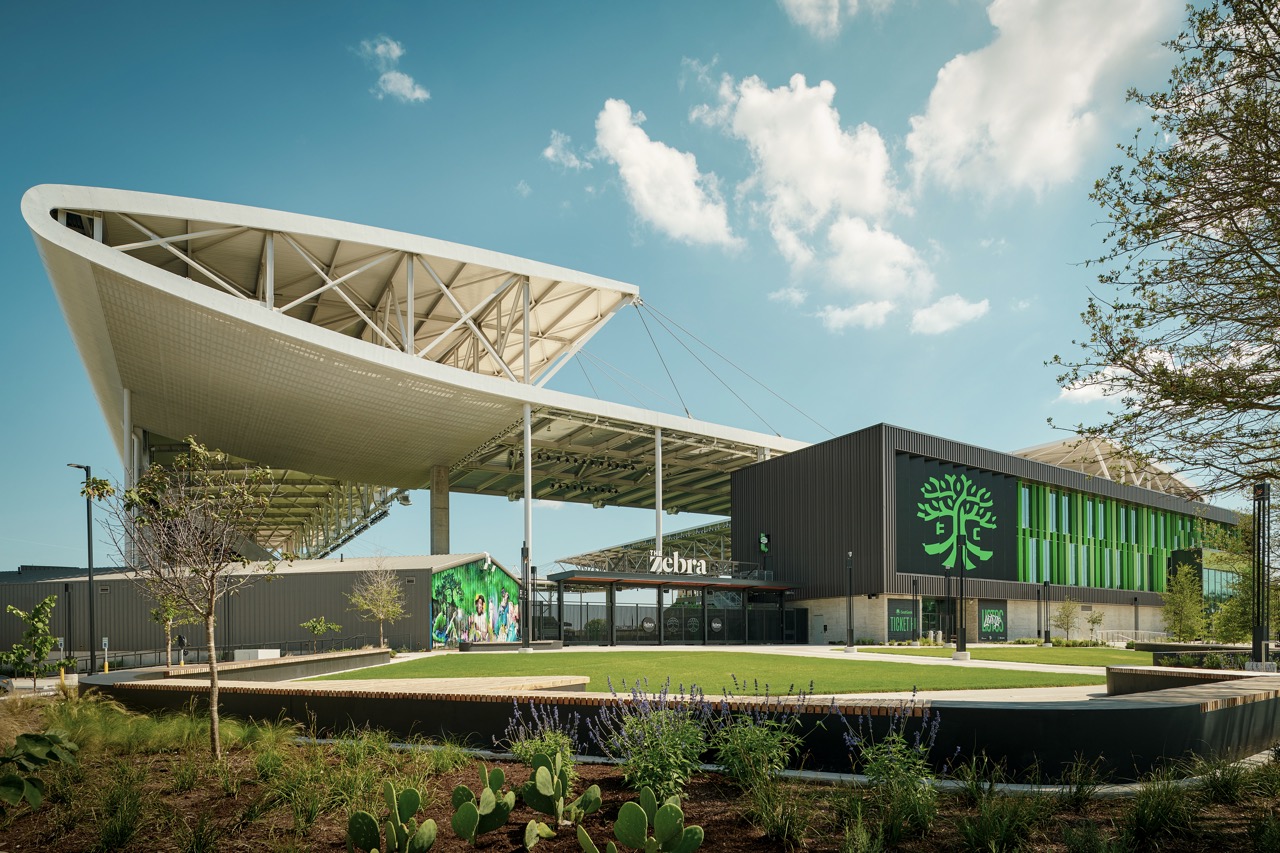
Spaces That Speak for Your Brand
A brand is more than a logo; it is a culture, a set of values, and a point of view that should be embedded into the environments where people work, gather, and connect.
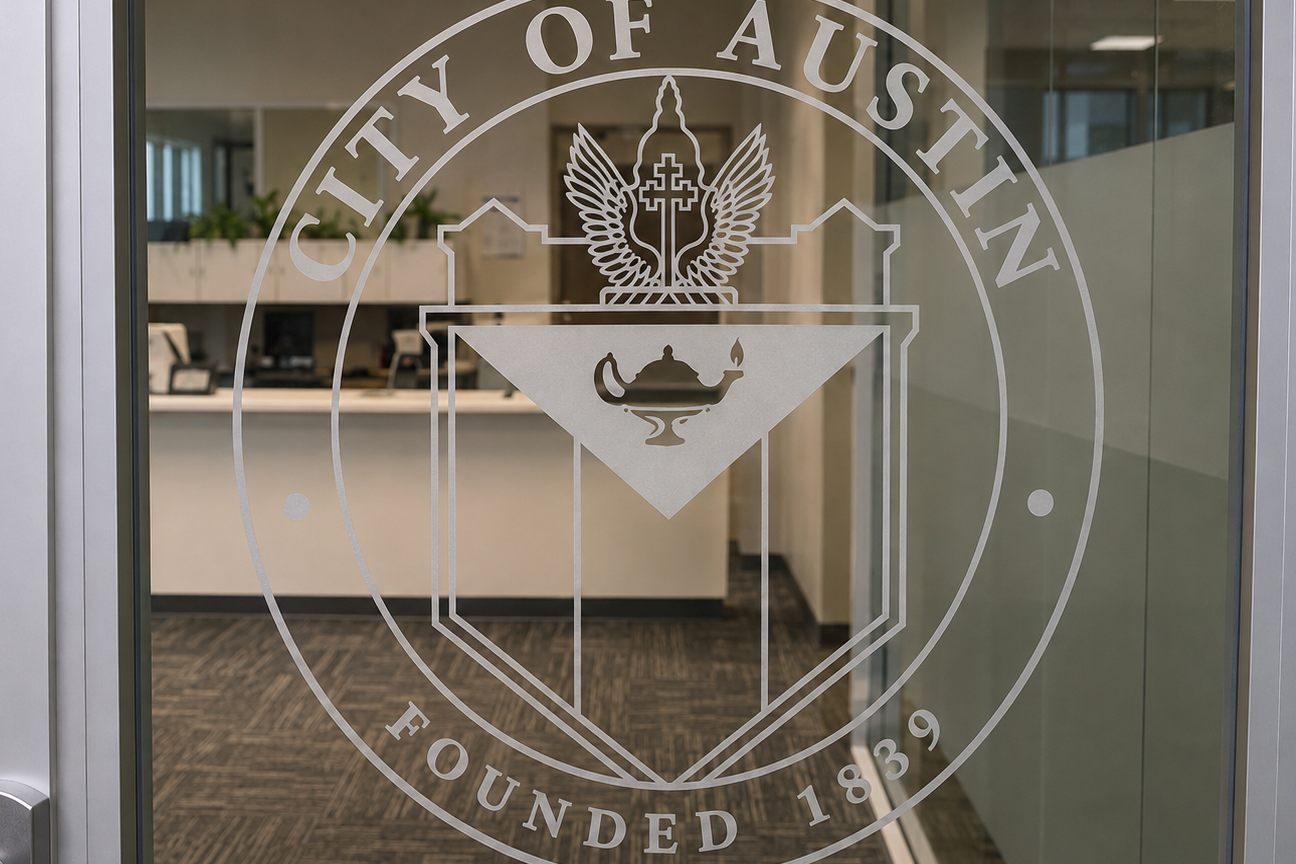
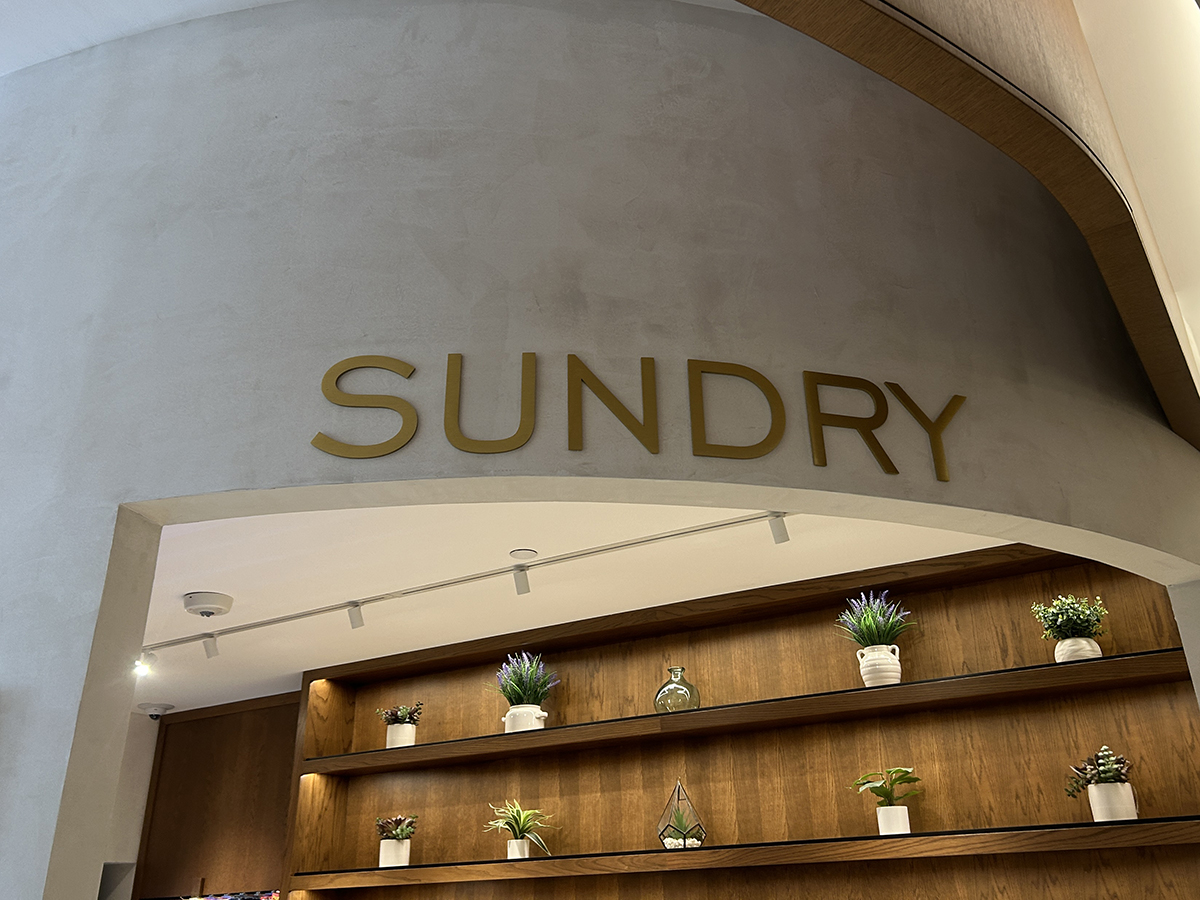
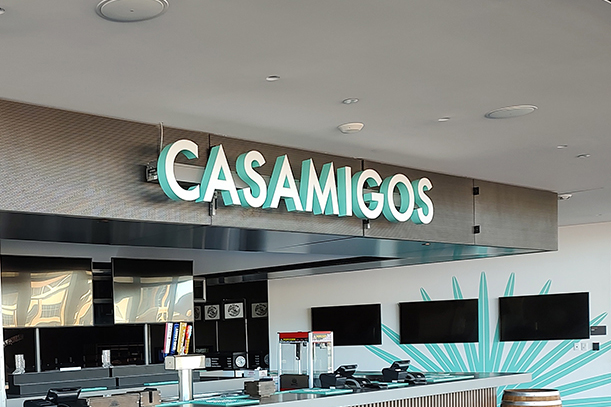
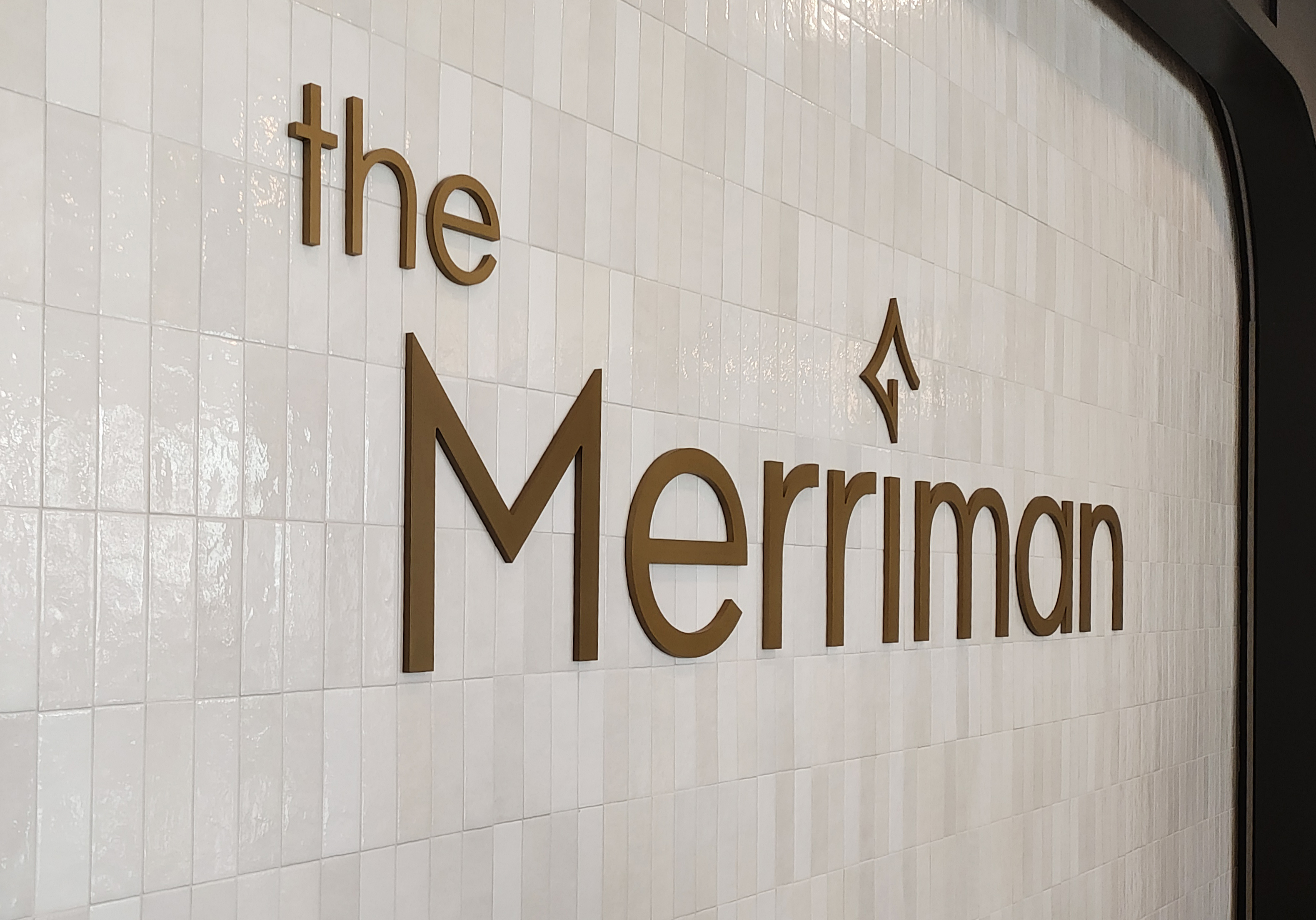
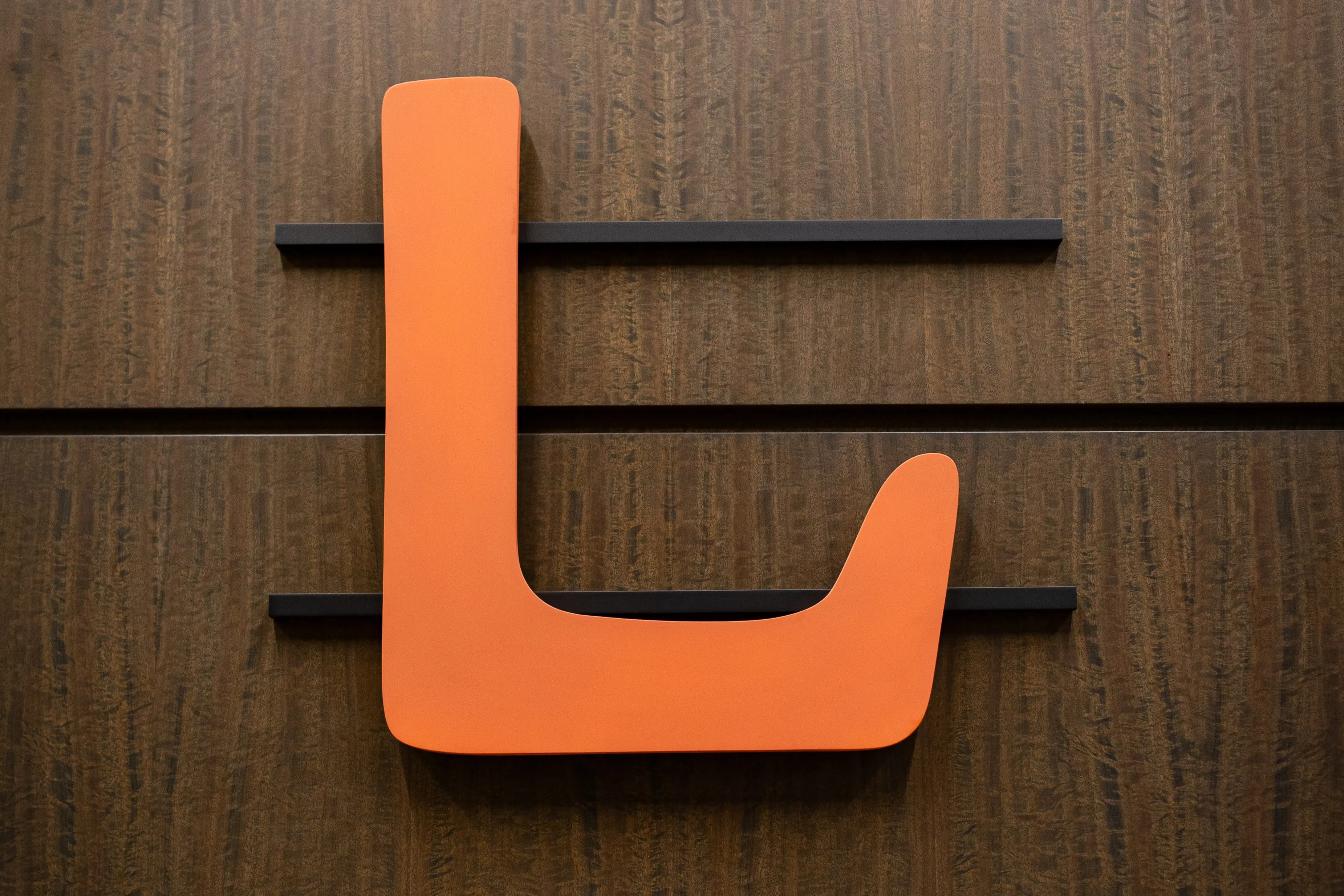
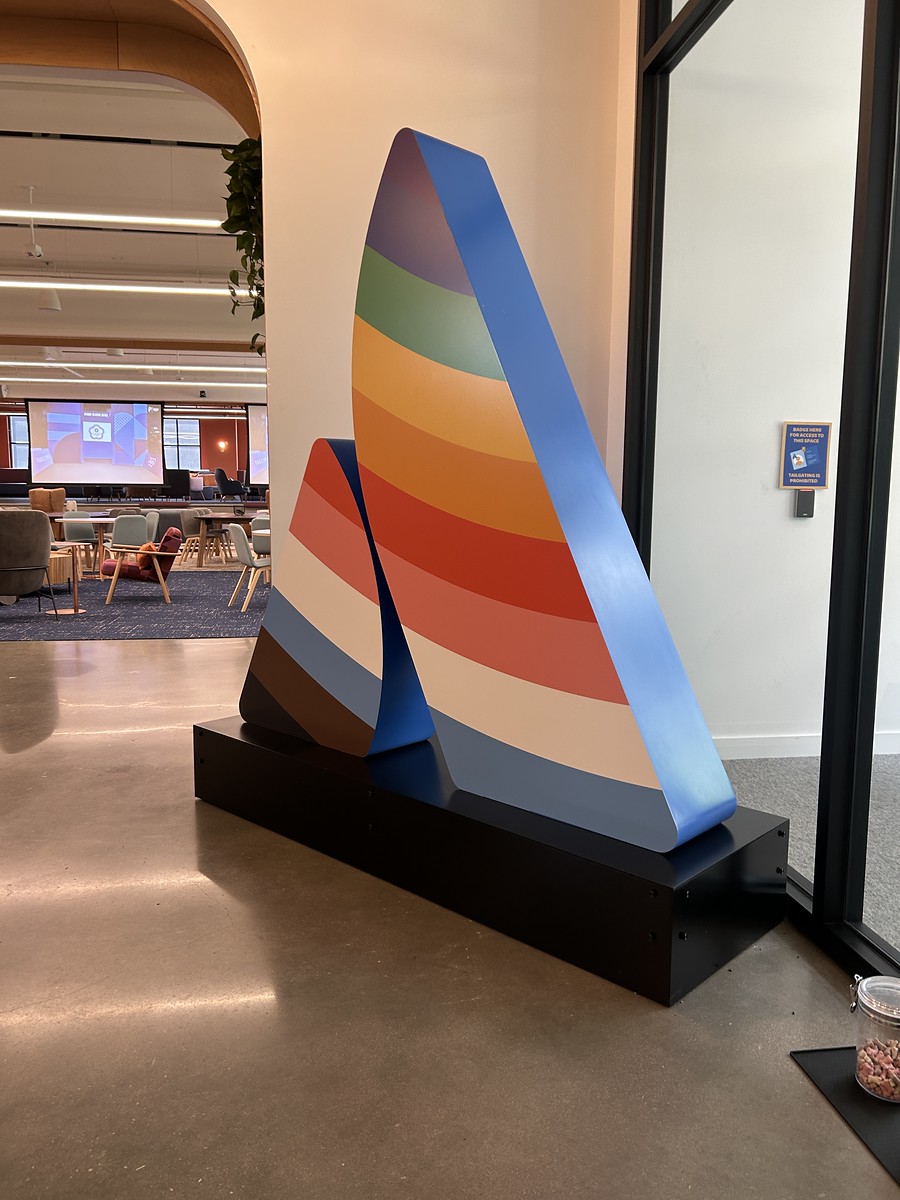
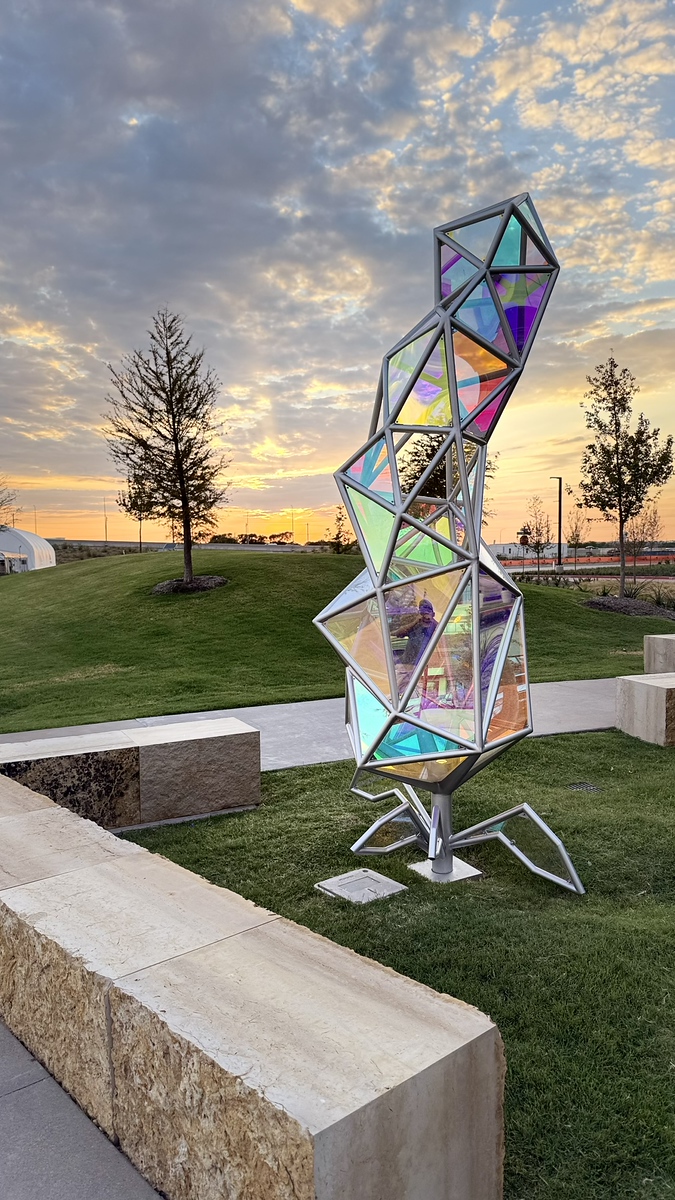
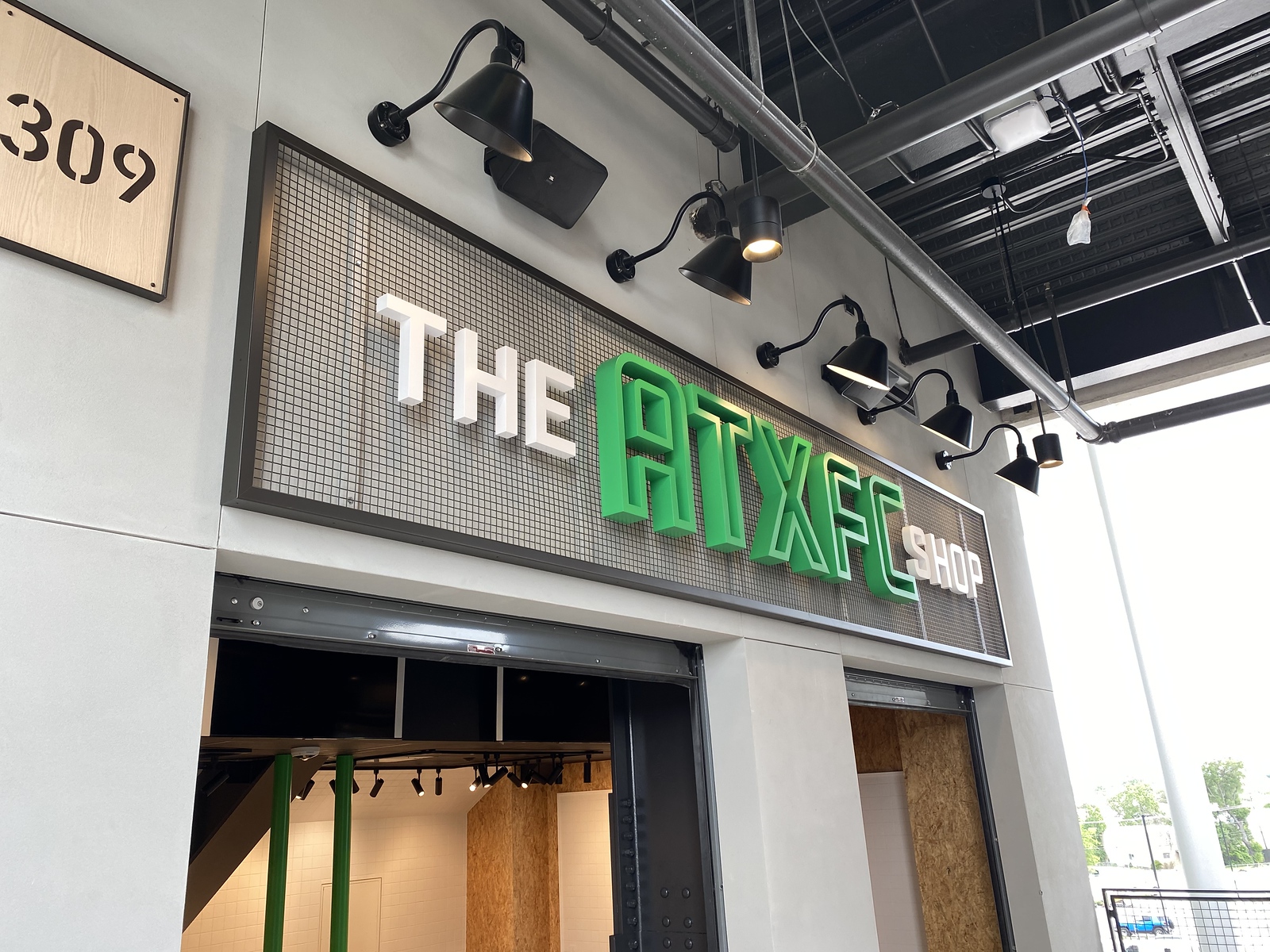
Branded environments bring that identity into the built world. Through branded interiors, office graphics, signage systems, experiential elements, and architectural integration, we translate brand systems into physical space, so identity is not applied but fully embedded.
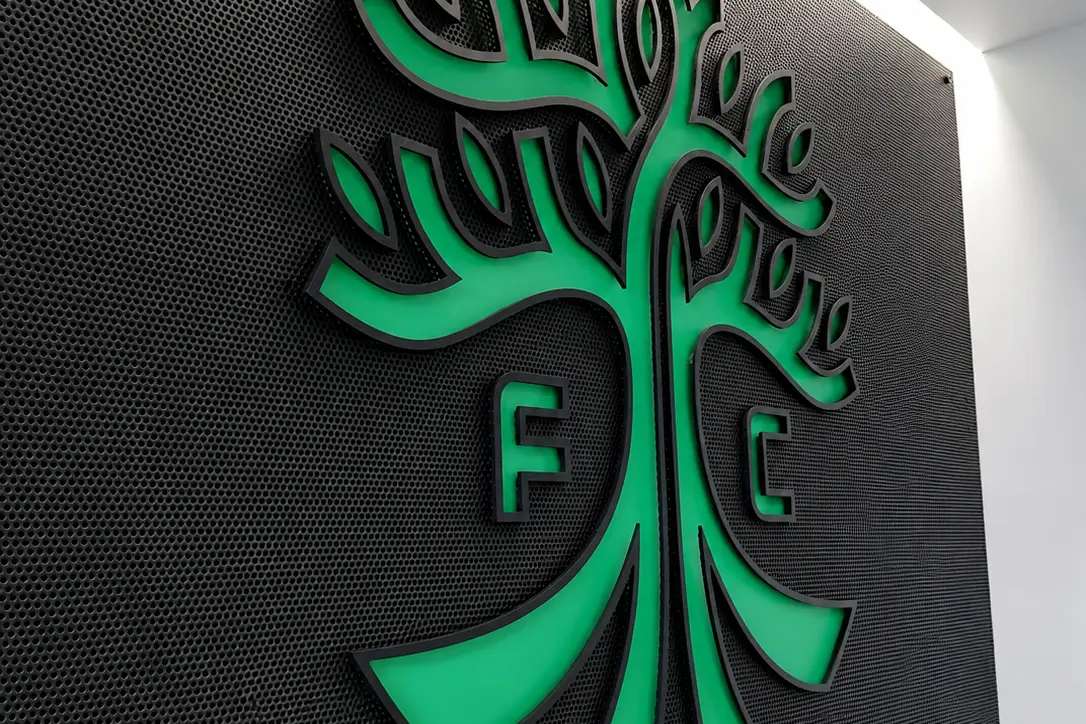
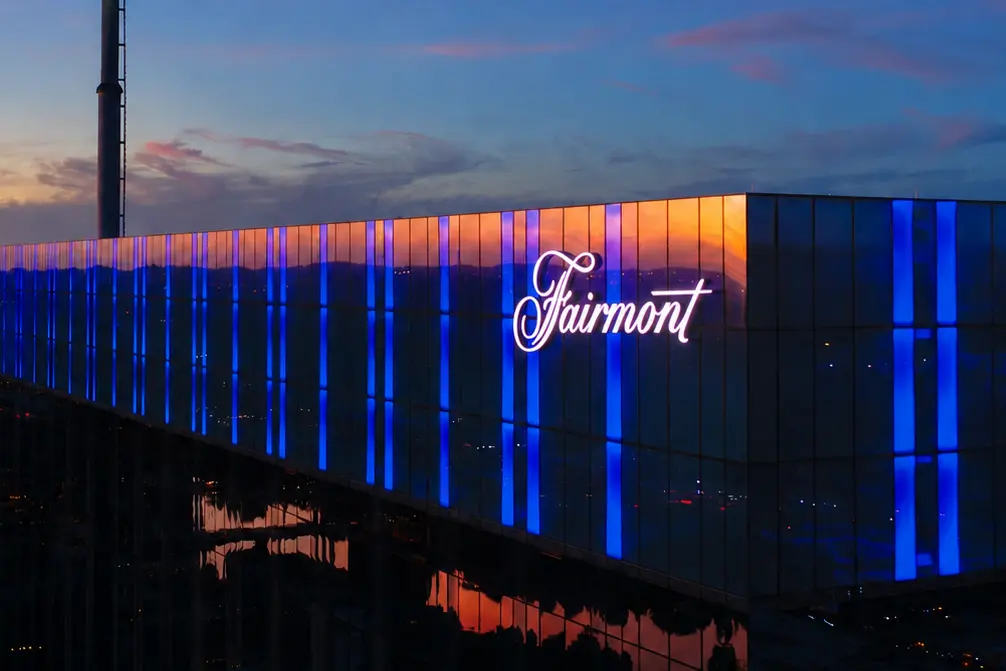
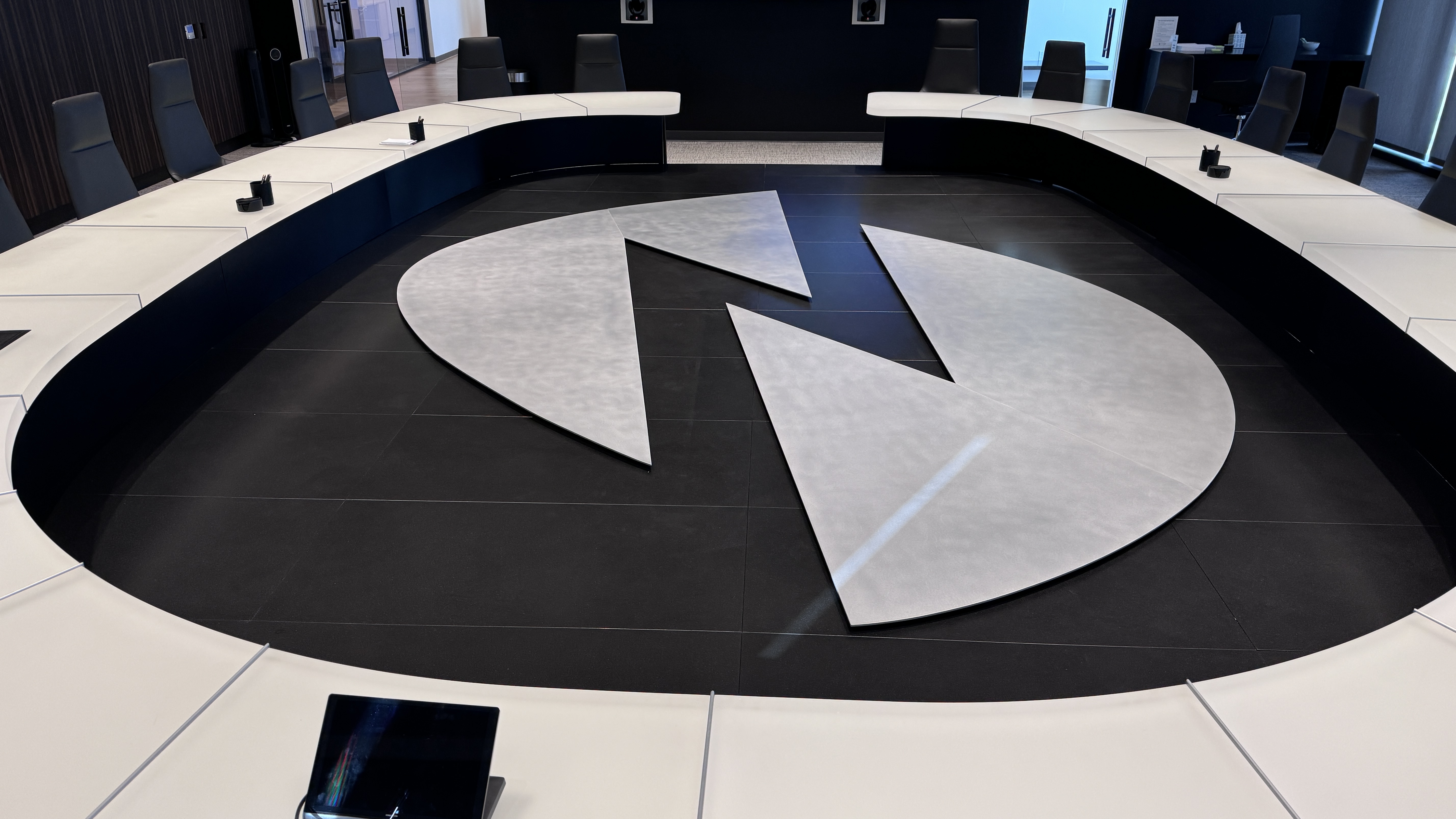
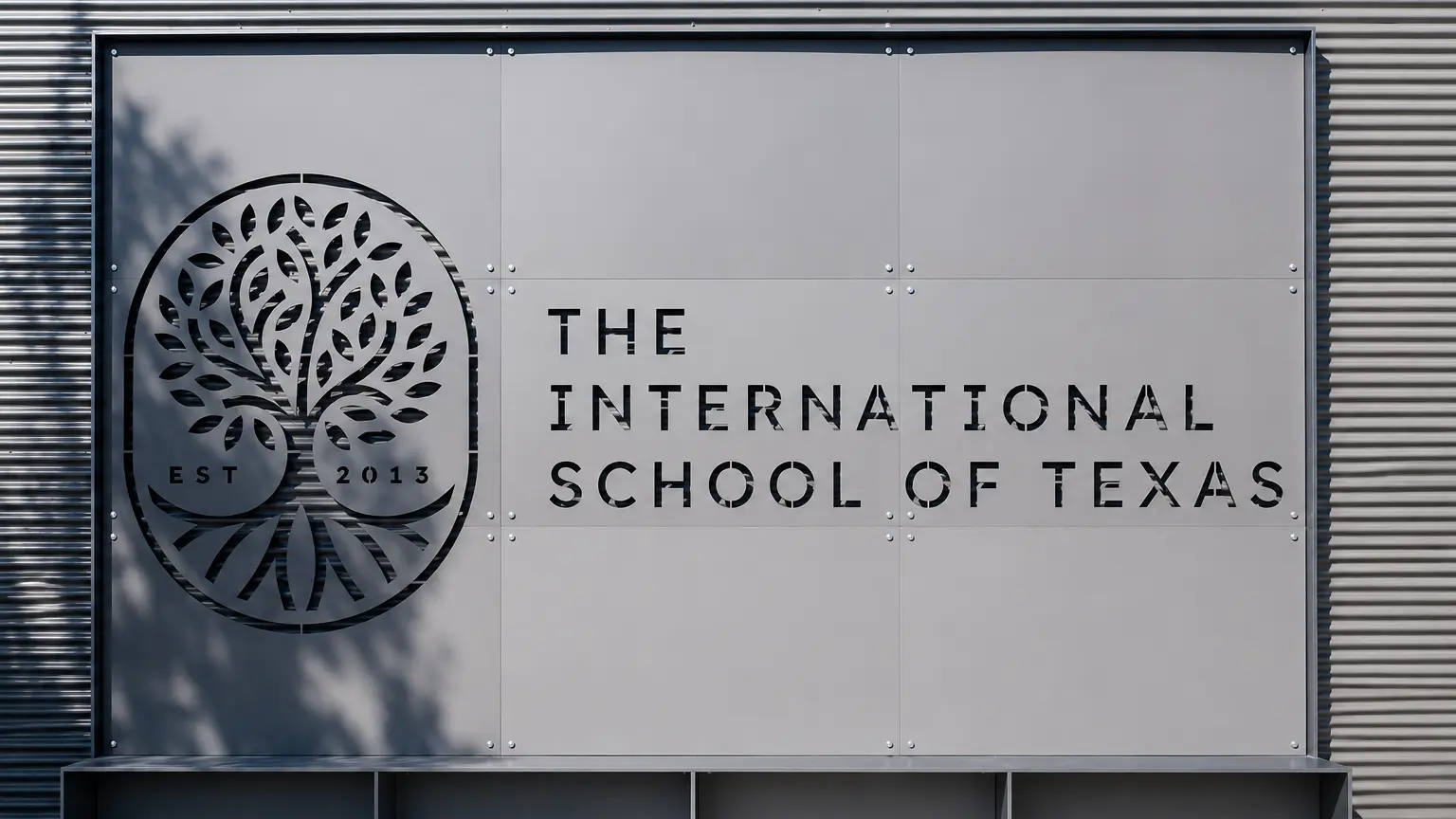
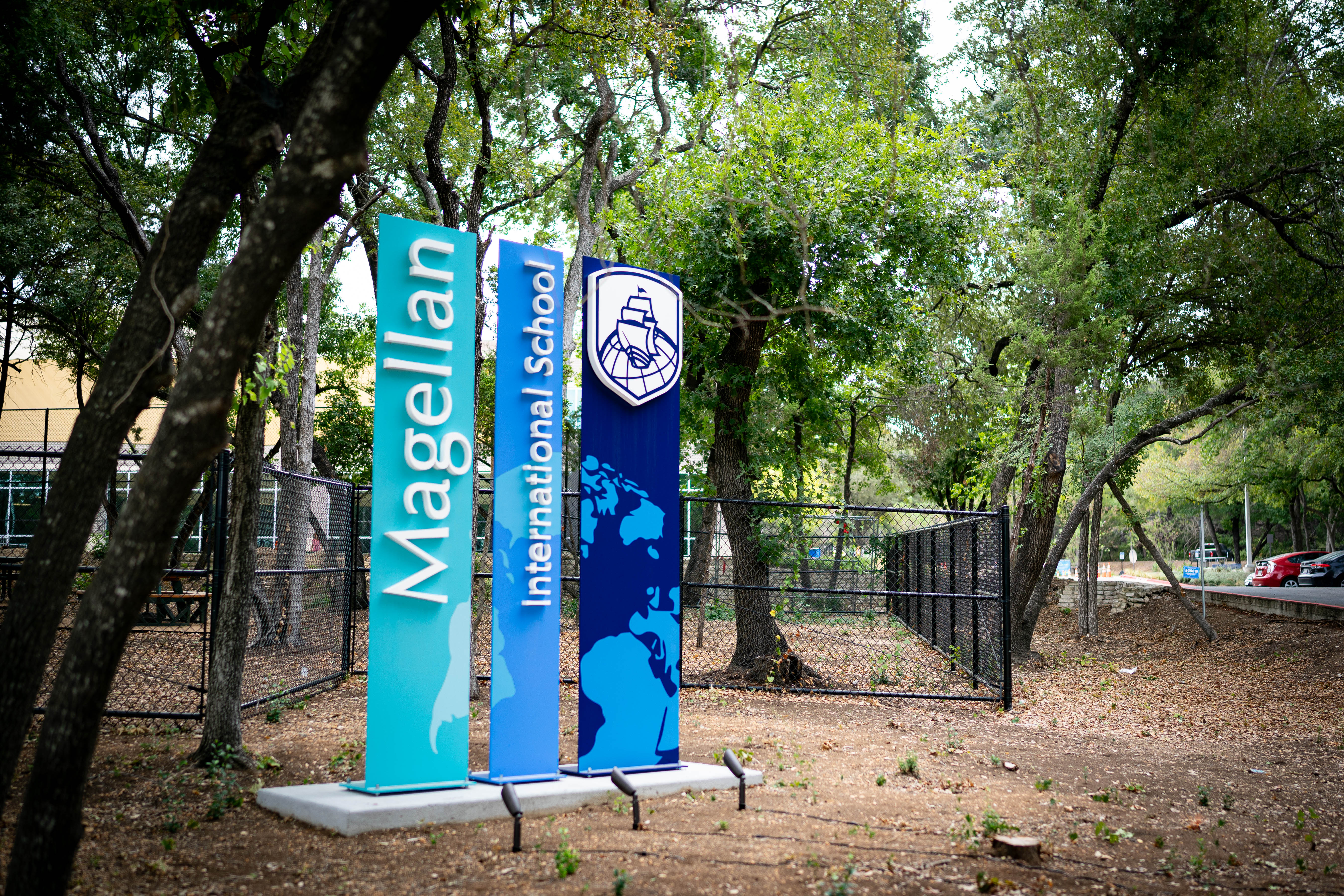
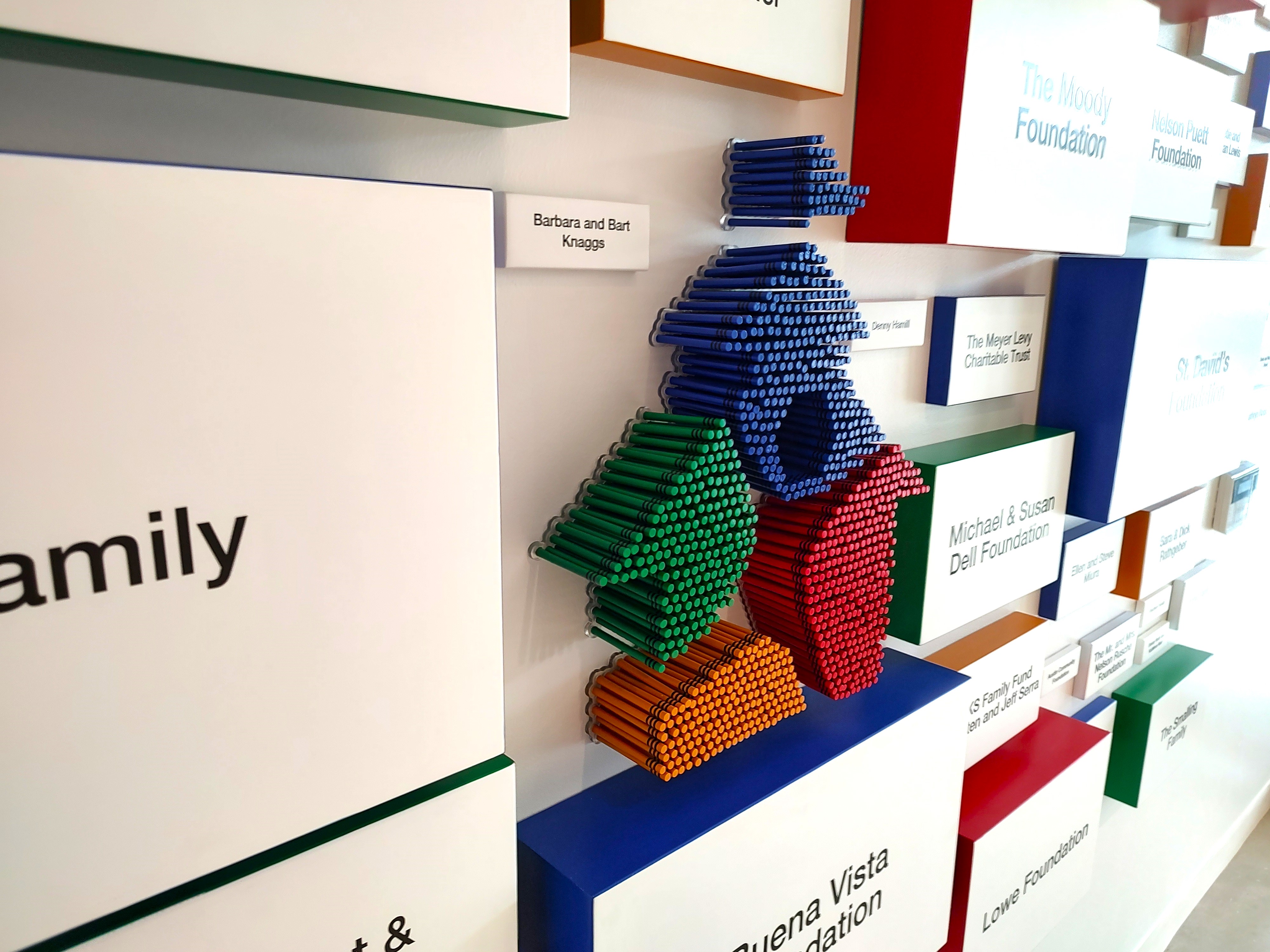
For PayPal, that meant creating a landmark brand presence with a logo installation atop a 24-story tower that reinforces the strength and visibility of a global brand. At Amazon, we contributed to large-scale environments where brand presence and operational complexity had to align seamlessly. For YETI, the space carried the same rugged authenticity as the product, expressed through materiality, tone, and environmental graphics. At Nutrabolt and Walmart HQ, branded environments helped define how teams experience culture and identity day-to-day. For Communities in Schools, environmental graphics transformed a functional setting into a clear expression of mission and purpose.
Each project is a tailored response to brand, culture, and the people who experience space.
When a brand is integrated with intention, it stops functioning as signage and becomes the environment itself.

Branded Environments
Projects









Testimonials
Questions we hear most
Answers from the team that designs, documents, fabricates, and installs the work.
Environmental graphic design is the design of the visual information inside and on a building — wayfinding, identification, regulatory and ADA signage, branded interiors, and experiential installations — developed as one coordinated system rather than as separate pieces. It sits between architecture and graphic design, and it is concerned with how people find their way and what a space communicates about the organization in it.
A branded environment is a space designed so that the organization inside it is visible in the architecture — through graphics, materials, dimensional elements, lighting, and signage that work as one system rather than as decoration added at the end. A logo on the lobby wall is a sign. A branded environment is the lobby, the corridors, the meeting rooms, and the exterior arrival all saying the same thing in the same voice.
Yes, if it is designed for that from the start. We separate the permanent layer — architectural elements, dimensional letters, base systems — from the changeable layer, such as printed graphics, glass film, inserts, and digital content. When a message or a sub-brand changes, only the changeable layer is replaced, on the same mounting system, without rework to the building. Tell us early which elements you expect to change and how often, and the system will be built to accommodate it.
With a documented standard. For multi-site programs we produce a signage and graphics standards package — sign types, materials, finishes, typography, message rules, and mounting details — that any location can be built from, whether by our own shop or by a fabrication partner closer to the site. Medical City Healthcare's program spanned 16 hospitals and multiple clinics, each through its own municipal permitting process, and the standards package is what kept the result consistent.
They should. For most visitors the garage is the first interior they see, and a well-designed level system — color, large-scale numerals, supergraphics on columns and walls — does double duty as orientation and as the first expression of the property's identity. It also has a practical benefit: people remember a color and a large numeral far better than a small sign, which means fewer lost cars and fewer calls to the front desk.
Yes. Flagged hotels arrive with brand standards manuals, and independent properties arrive with an identity that has to be built into the space. In both cases we design within the standard where it applies, extend it where it is silent — wayfinding, amenity identification, regulatory signage — and coordinate with the interior designer so the signage reads as part of the guest experience rather than as a requirement bolted onto it.
Yes, and it is one of the most useful tools in a workplace. Frosted, gradient, and patterned films give conference rooms and offices privacy while carrying the brand's pattern language, and they satisfy the visibility markings that glass walls require for safety. The film is designed to the glass elevations, produced to fit each panel, and installed after the glazing is complete.