


Exterior Logos & Letters
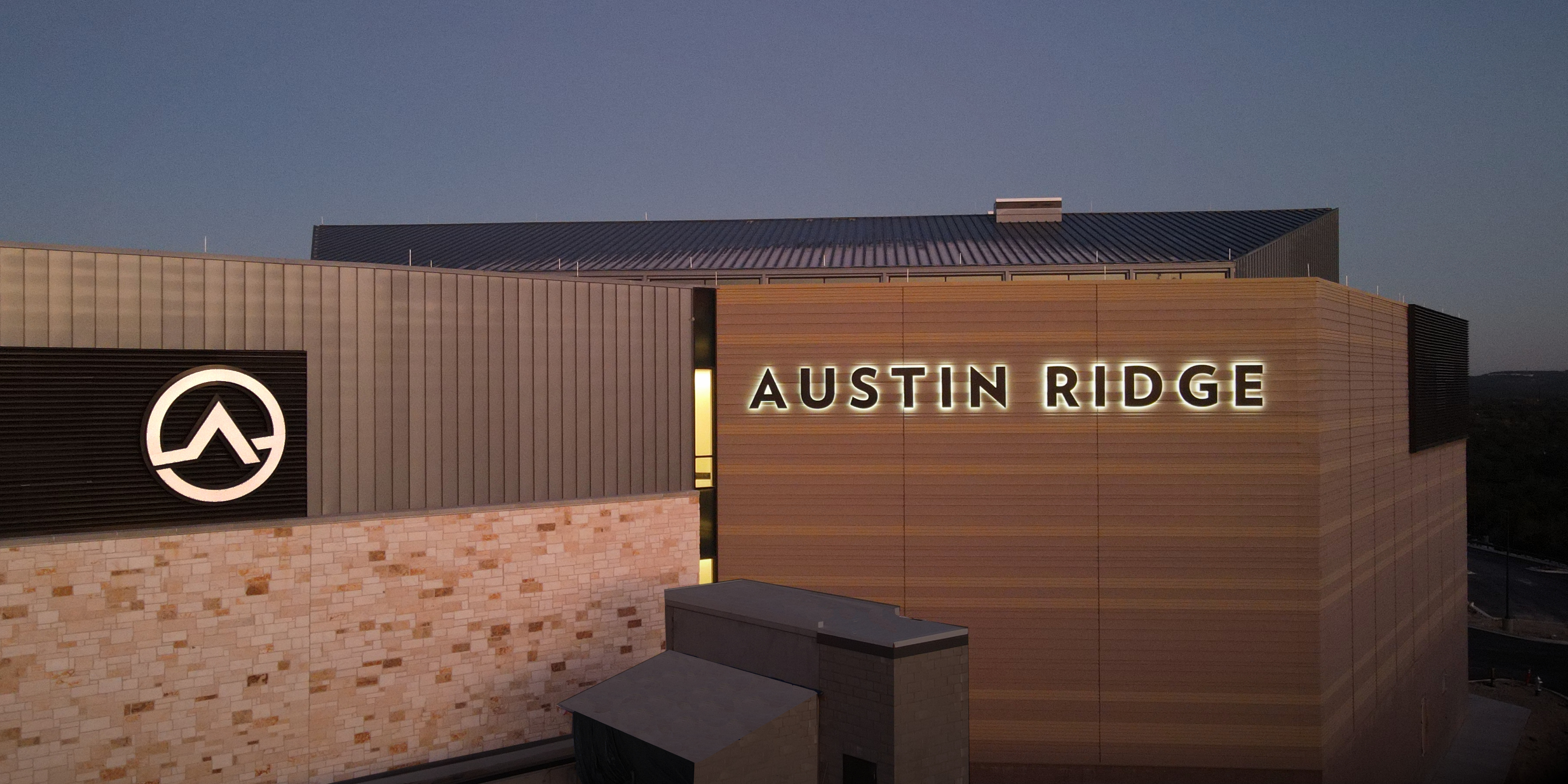
Identity at Architectural Scale
Exterior identity must do more than be seen. It must belong.
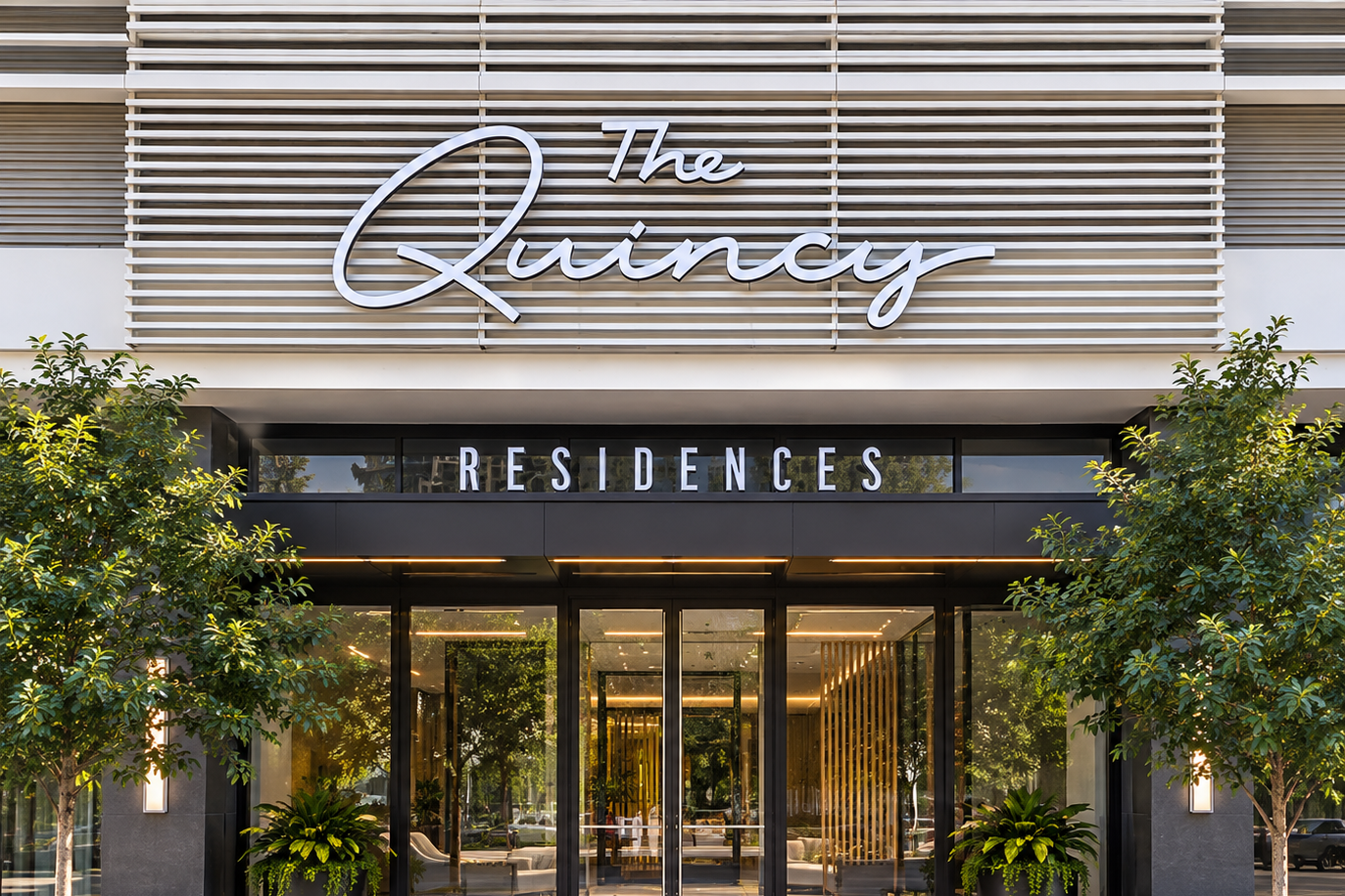
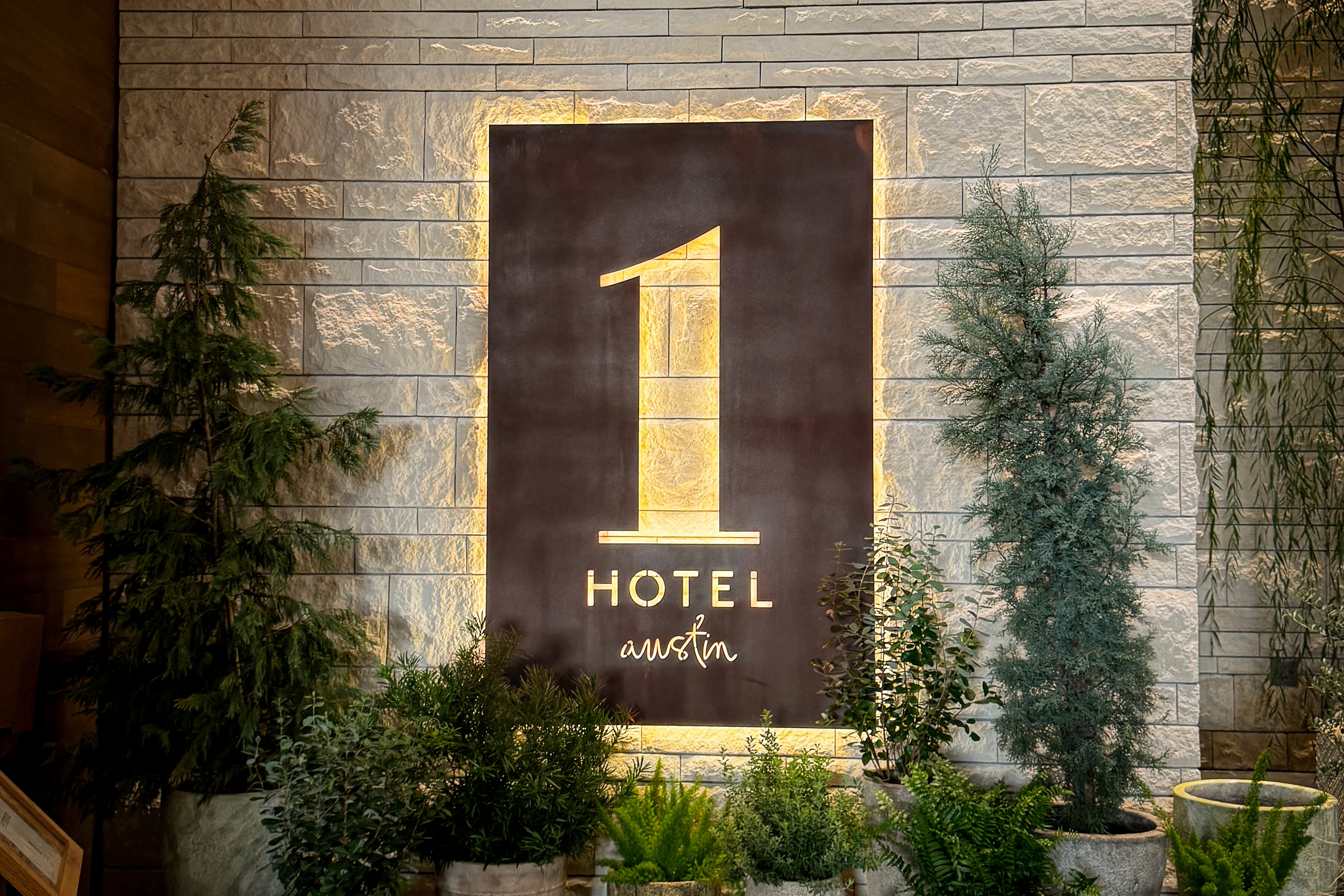
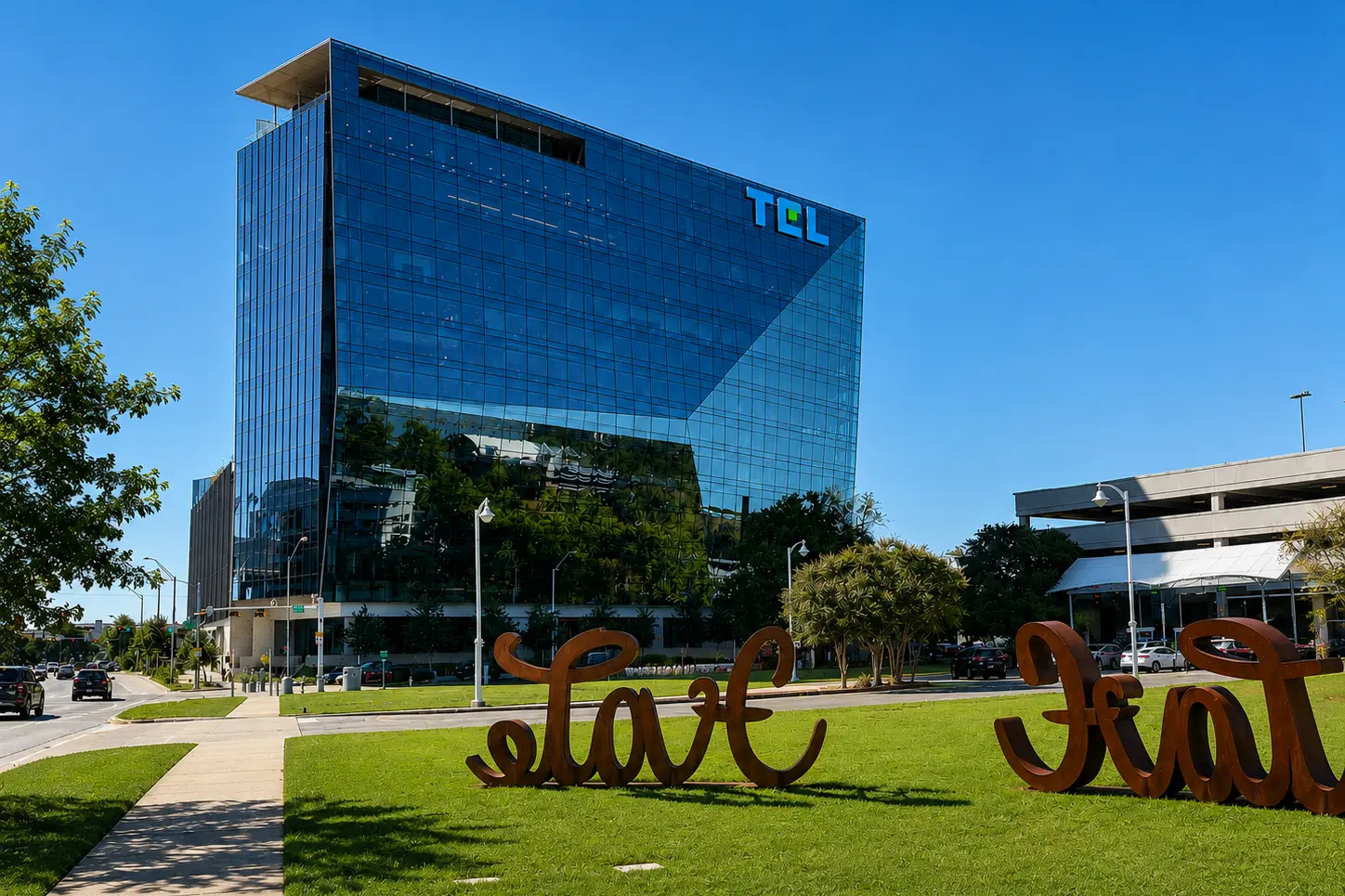
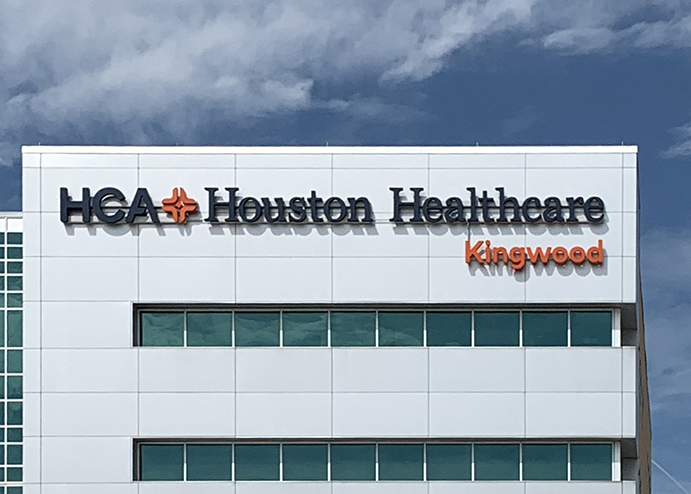
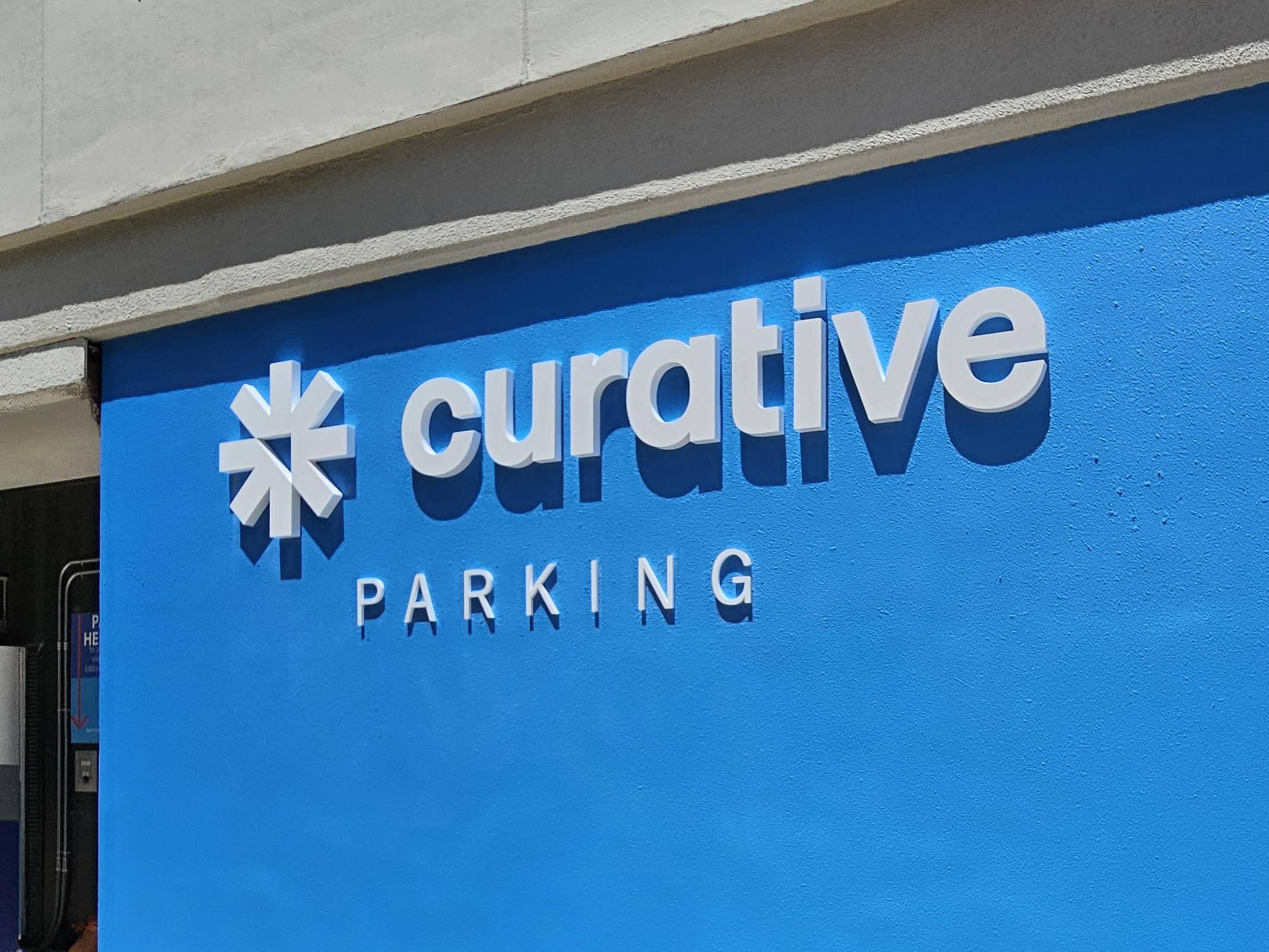
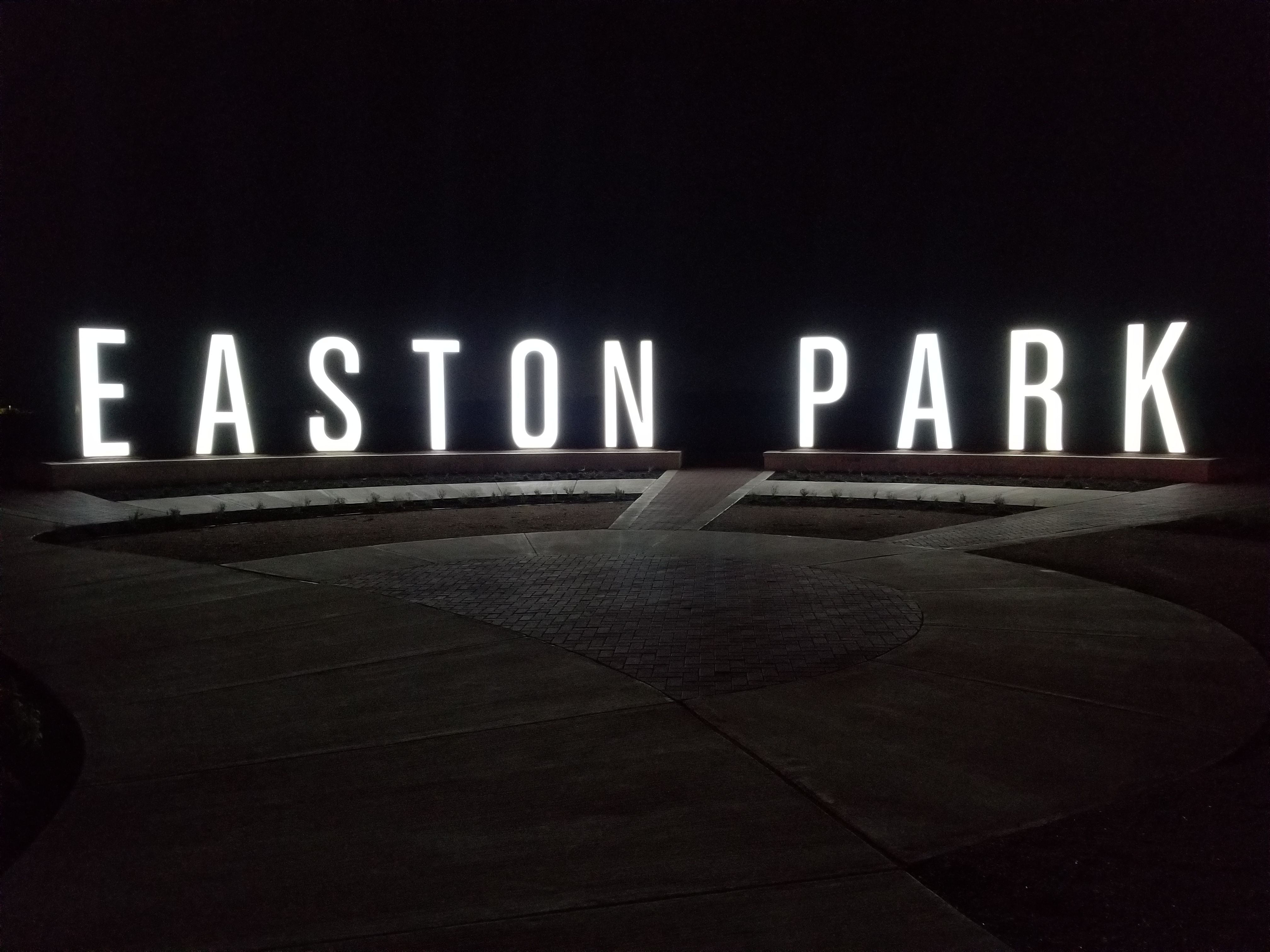
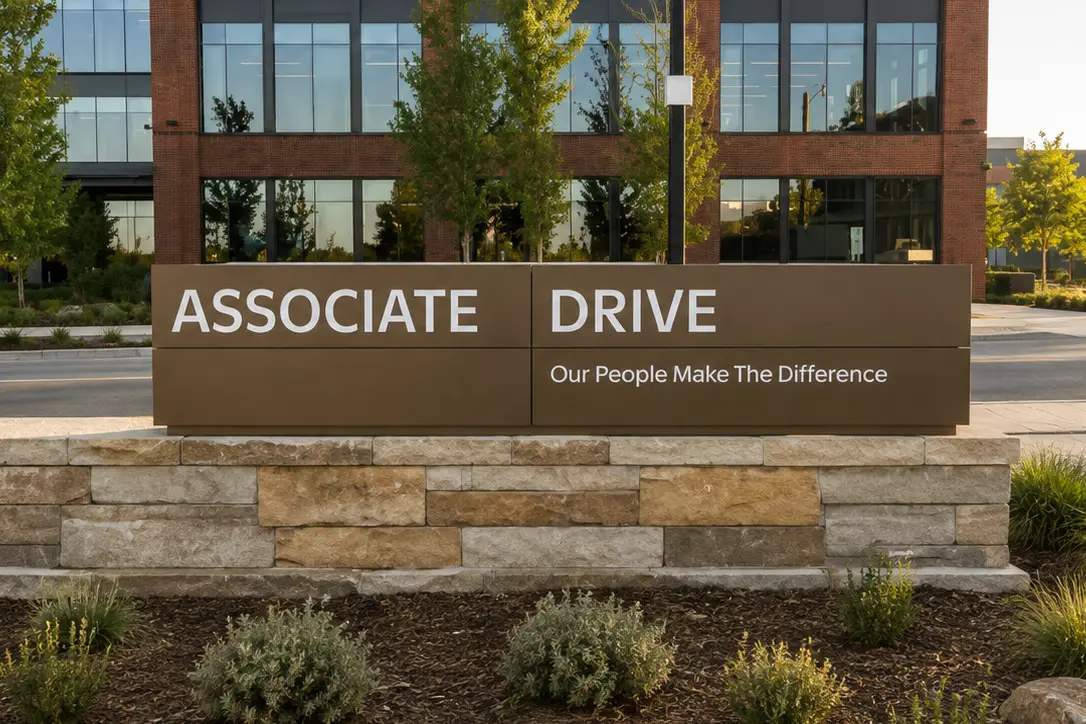
We create exterior logos and letter systems that establish a strong brand presence while working with the architecture, not competing against it. Scale, proportion, placement, illumination, materials, structure, and sightlines are resolved together so the finished identity feels inherent to the building.
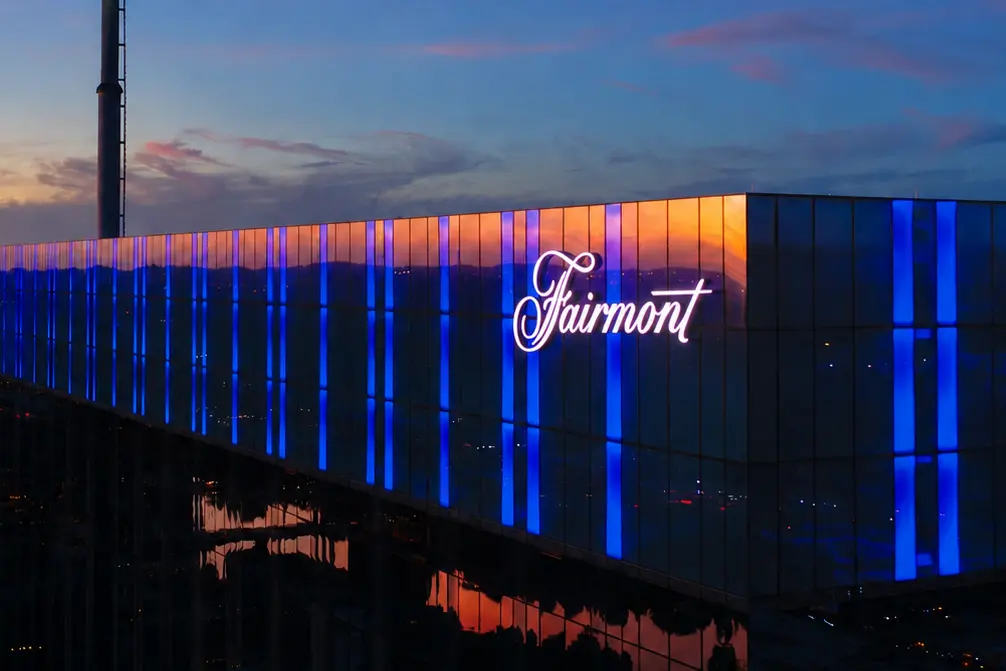
At Fairmont Austin, exterior identification carries the hotel’s identity into the downtown skyline, achieving significant visibility while maintaining the restraint and refinement of a luxury hospitality destination.
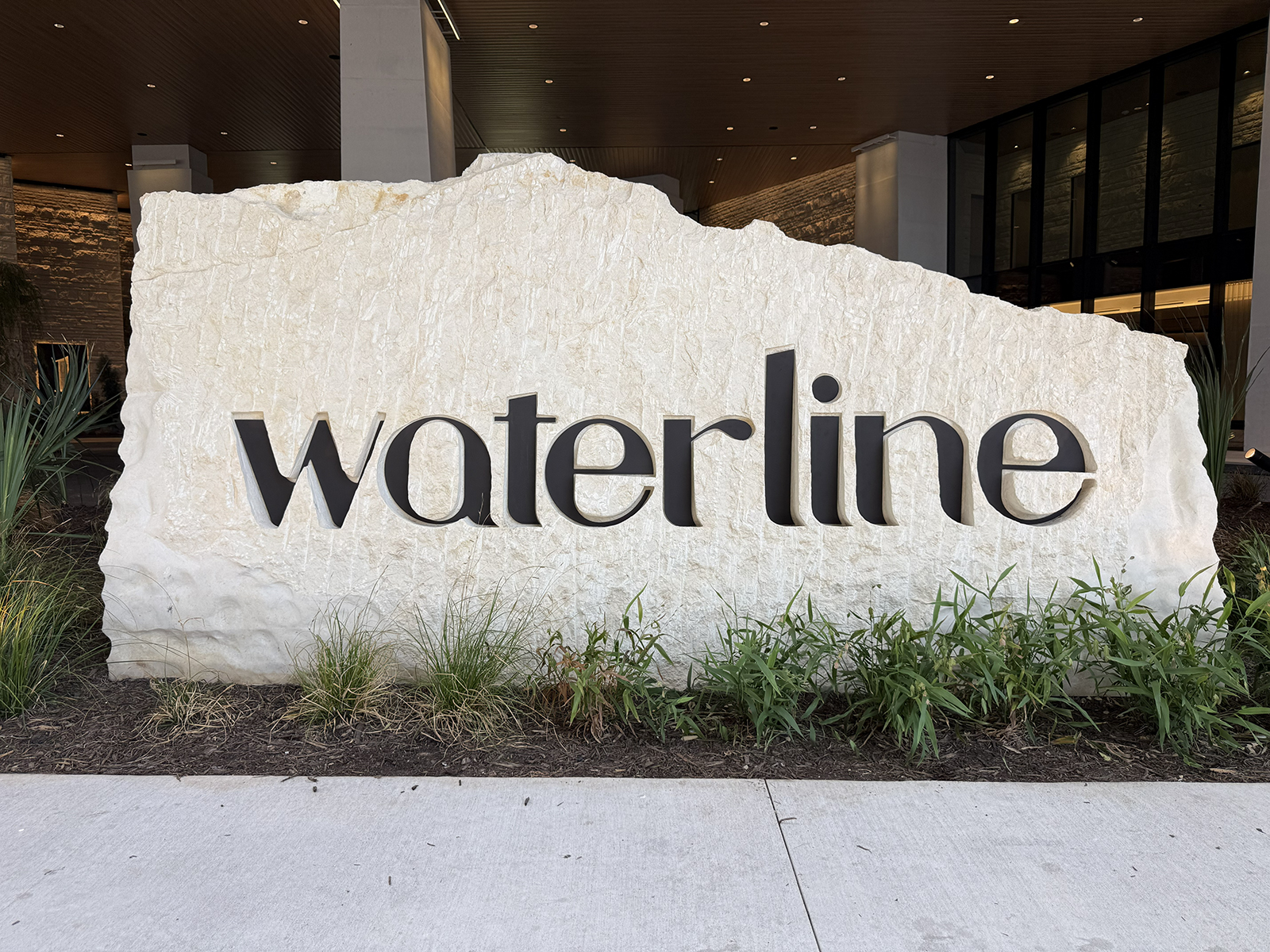
At Waterline Austin, exterior identity is being executed within the scale and complexity of a landmark mixed-use tower. The work requires rigorous coordination across architecture, engineering, fabrication, electrical systems, access, and installation, where the smallest details have to perform at an extraordinary scale.
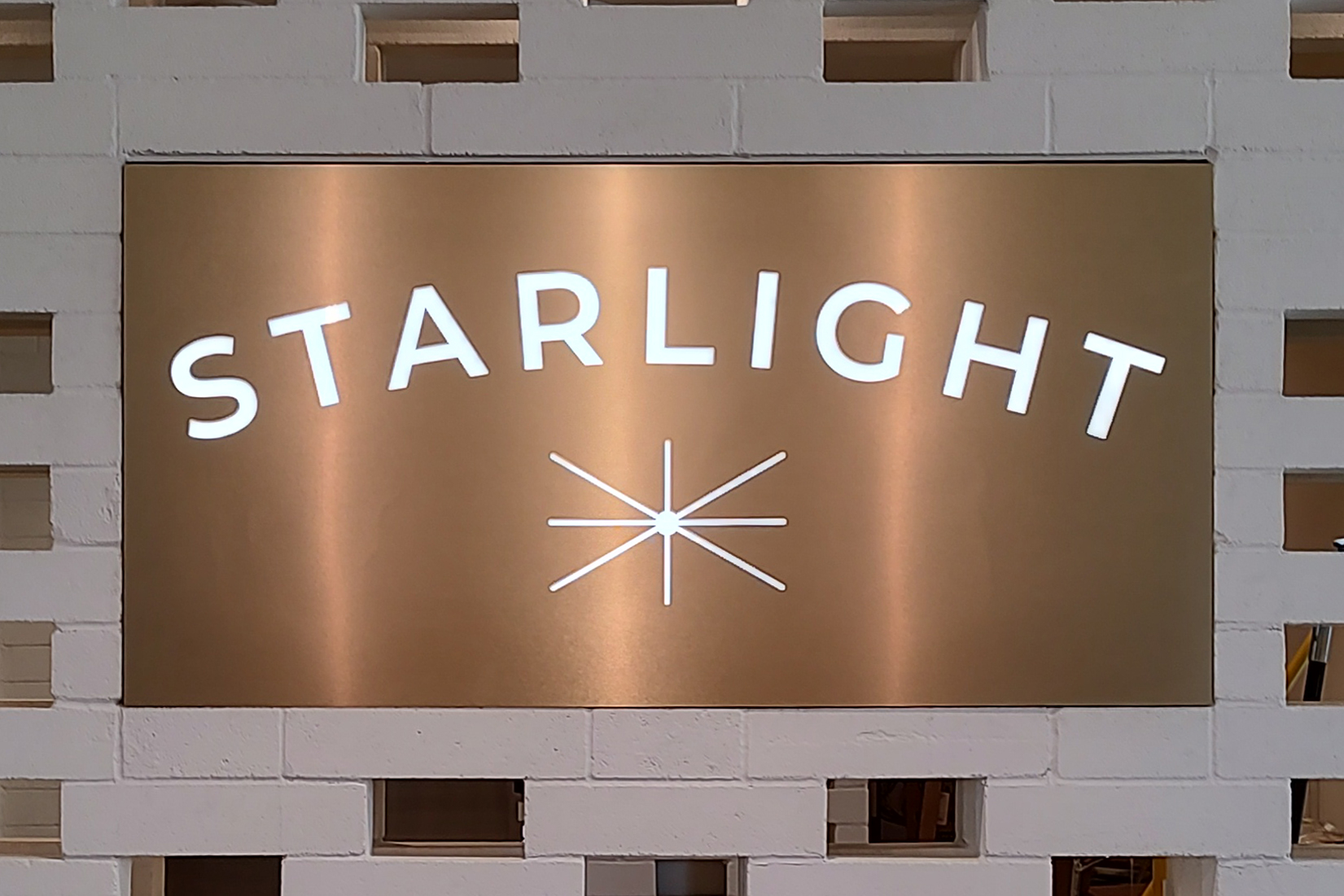
At Starlight, bold exterior lettering creates an immediate street presence, giving the property a distinct visual signature and transforming the building façade into a recognizable expression of the brand.
From skyline identification to building-mounted logos and dimensional letters, we deliver exterior identity with the technical precision these projects demand.
The best exterior signage does not look like an addition to the architecture. It looks inseparable from it.

Exterior Logos & Letters
Projects








Testimonials
Questions we hear most
Answers from the team that designs, documents, fabricates, and installs the work.
Both, plus documentation, permitting, and installation. Some fabrication happens in our own shop and the rest goes to specialist fabricators we have worked with for years, selected for the material. In every case the team that set the design intent stays accountable through installation — a model our founder named the "Creative General Contractor."
Face-lit and halo-lit channel letters, reverse-lit letters, flat-cut and fabricated dimensional letters, pin-mounted letters, cabinet signs, and custom logo forms in aluminum, stainless steel, acrylic, and combinations of them. The right type depends on the building's material, the viewing distance, the lighting conditions at night, and what the landlord or city allows. We design to those conditions first and choose the construction second.
Yes. Exterior signage is governed by the municipal sign code, and often by landlord or district criteria on top of it — allowable area, height, illumination, and placement. We review those constraints during design, prepare the permit drawings, provide engineering where a jurisdiction requires it, and manage the submission. Permit review time varies by city and is usually the longest single item in an exterior schedule, so we start it early.
Almost always with LEDs, either behind a translucent face, from behind the letter as a halo against the wall, or both. Non-illuminated letters can be lit externally by the building's own fixtures. Illumination decides the letter construction, the depth, and the electrical coordination with the building, so it is settled in design — not added to a letter after it has been drawn.
We write them. A tenant sign criteria document sets the allowable sign types, sizes, illumination, mounting, and approval process for every retail and restaurant tenant in the project, so the development keeps one identity while each tenant keeps theirs. It also gives the landlord a standard to enforce and the tenant's own sign company a clear set of rules, which shortens approvals for everyone.
Yes. Sponsorship deals close late and the opening date does not move, so the package has to be designed, engineered, fabricated, and installed in a fraction of the time a normal scope would get. At Moody Center that meant working through design iterations with Gensler, navigating approvals across the architect, contractor, operator, promoter, and university at once, and mobilizing our full fabrication and installation capacity to meet the opening night.