


Environmental Graphic Design
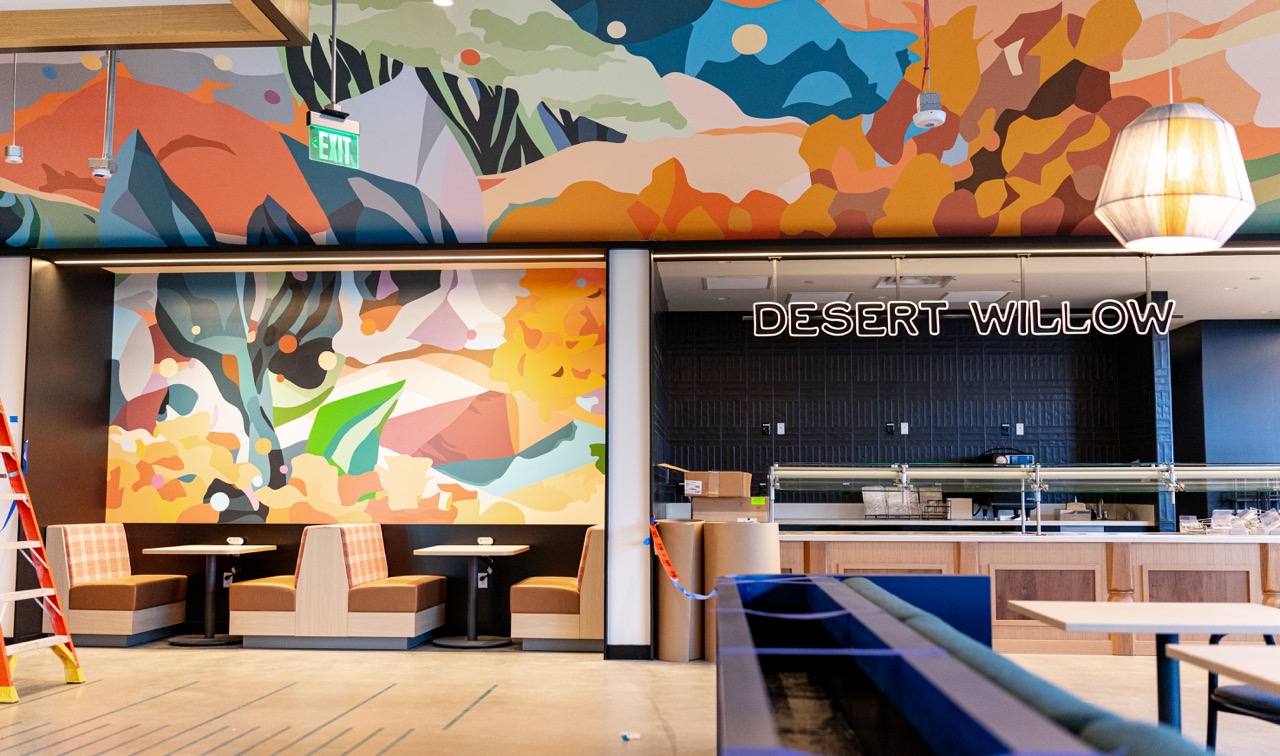
Where Architecture Meets Identity
A building establishes structure. Environmental Graphic Design gives it meaning, clarity, and presence.
We collaborate directly with our partners from early design through final installation, integrating signage, wayfinding, and environmental graphics into the architecture itself, not as an overlay, but as part of the built system.
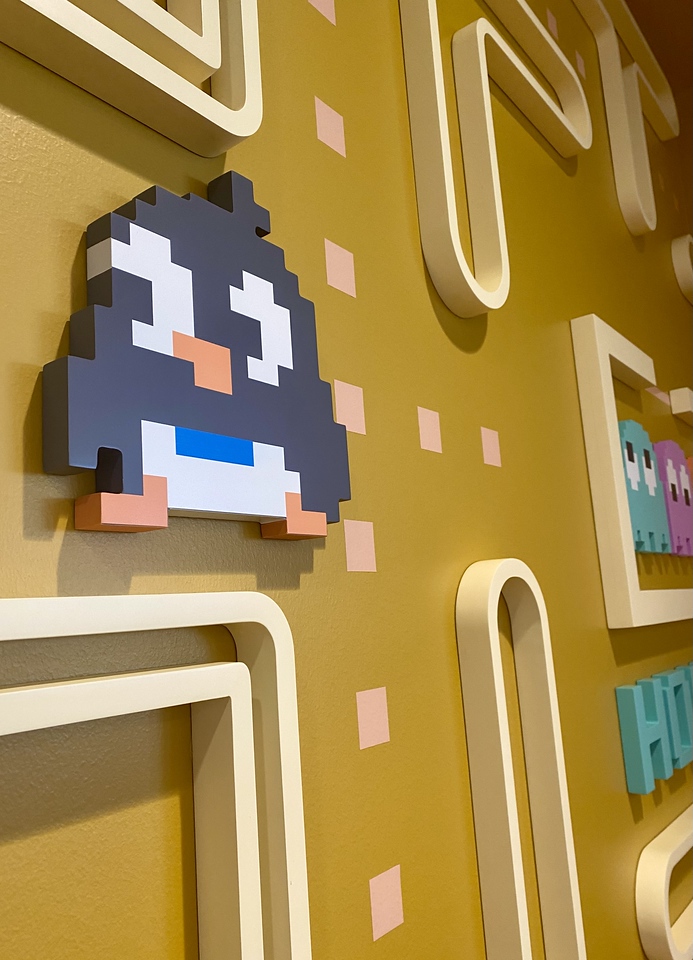
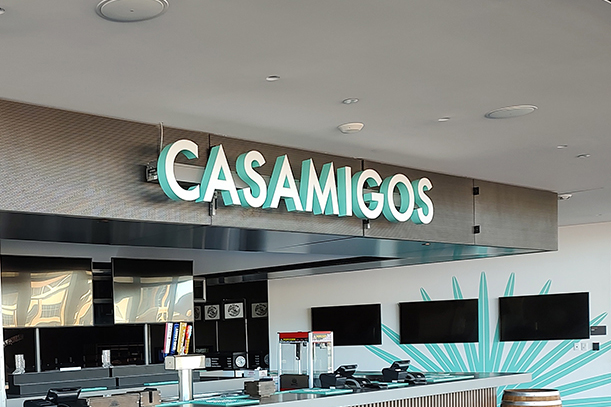
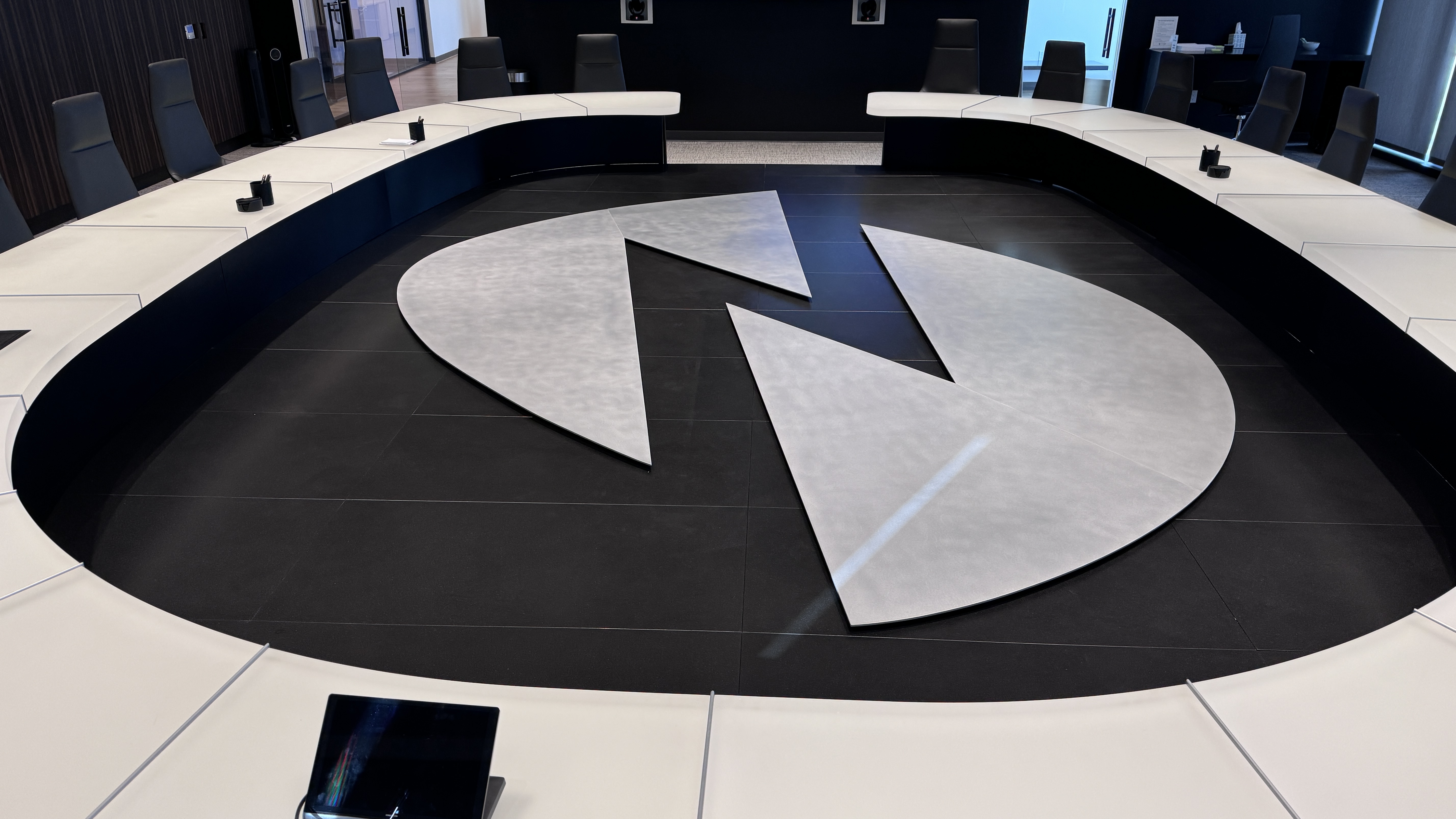
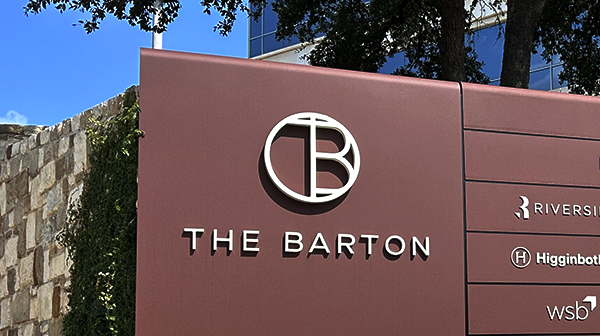
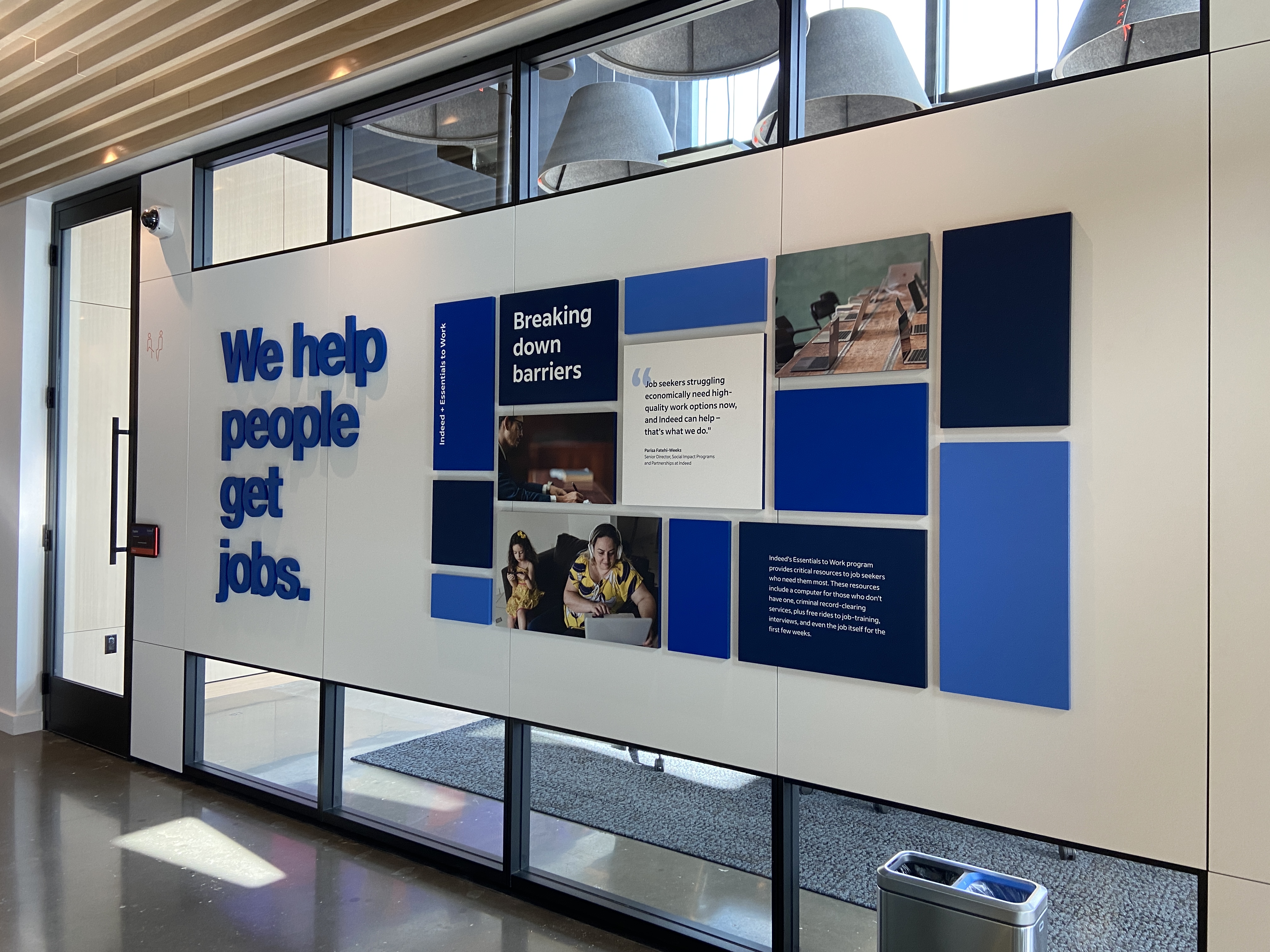
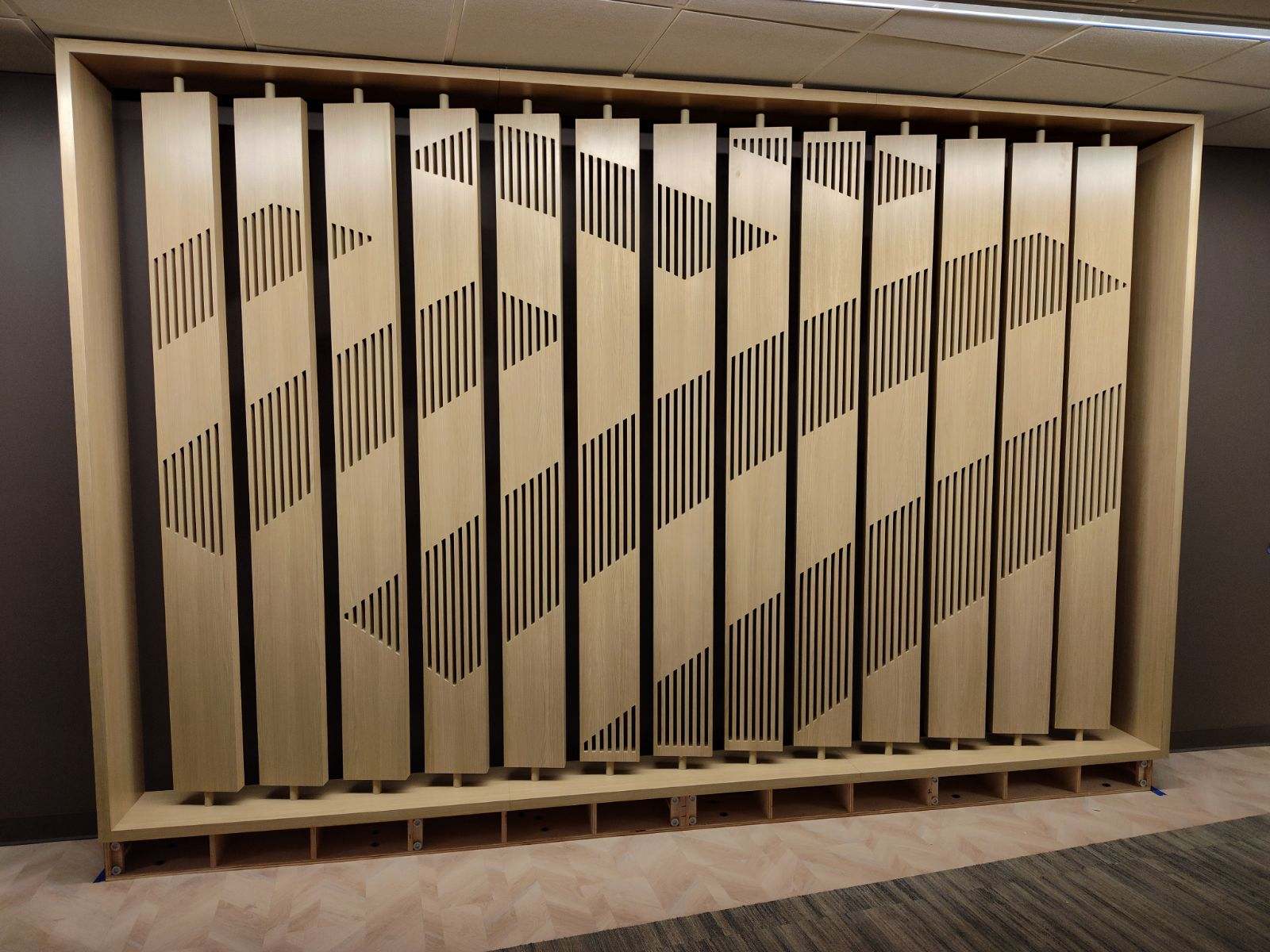
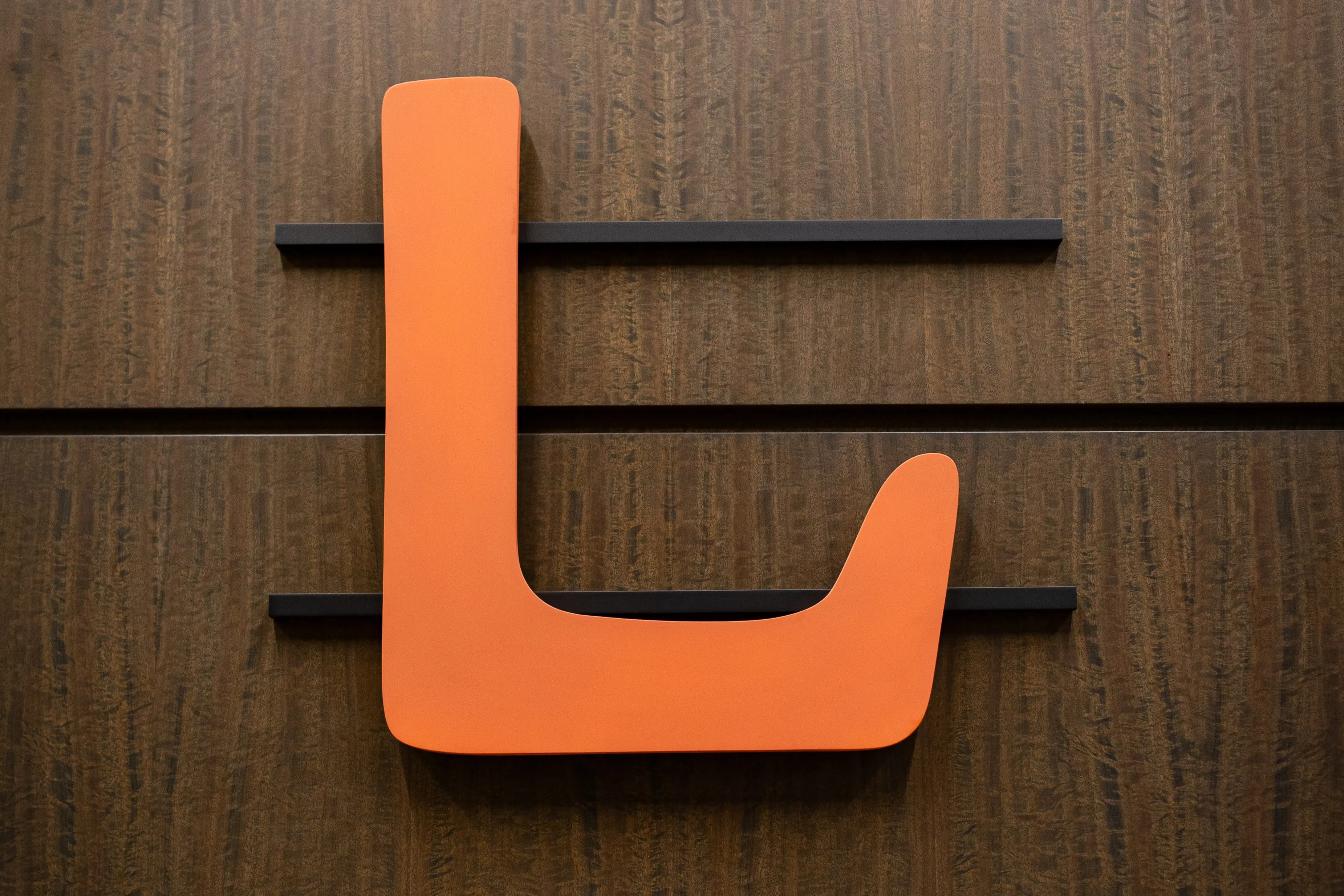
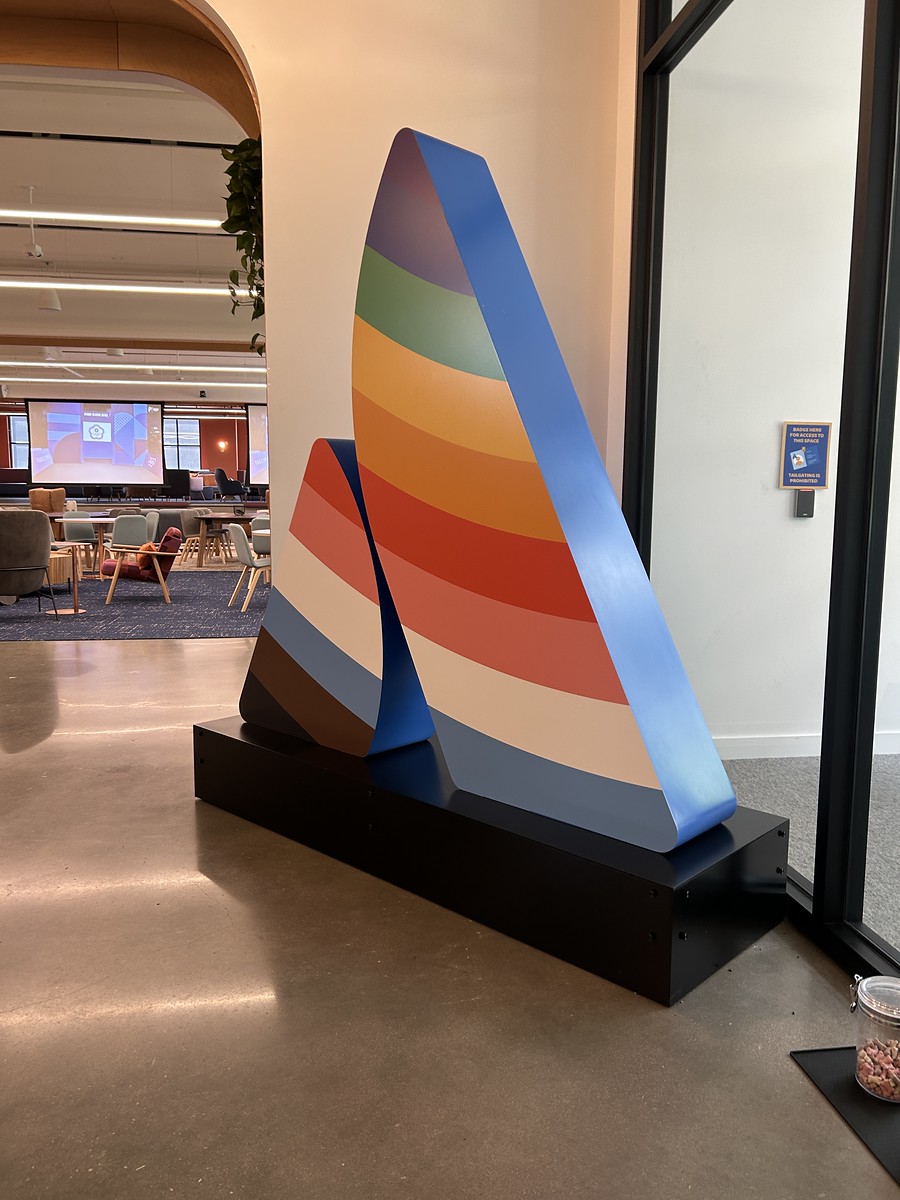
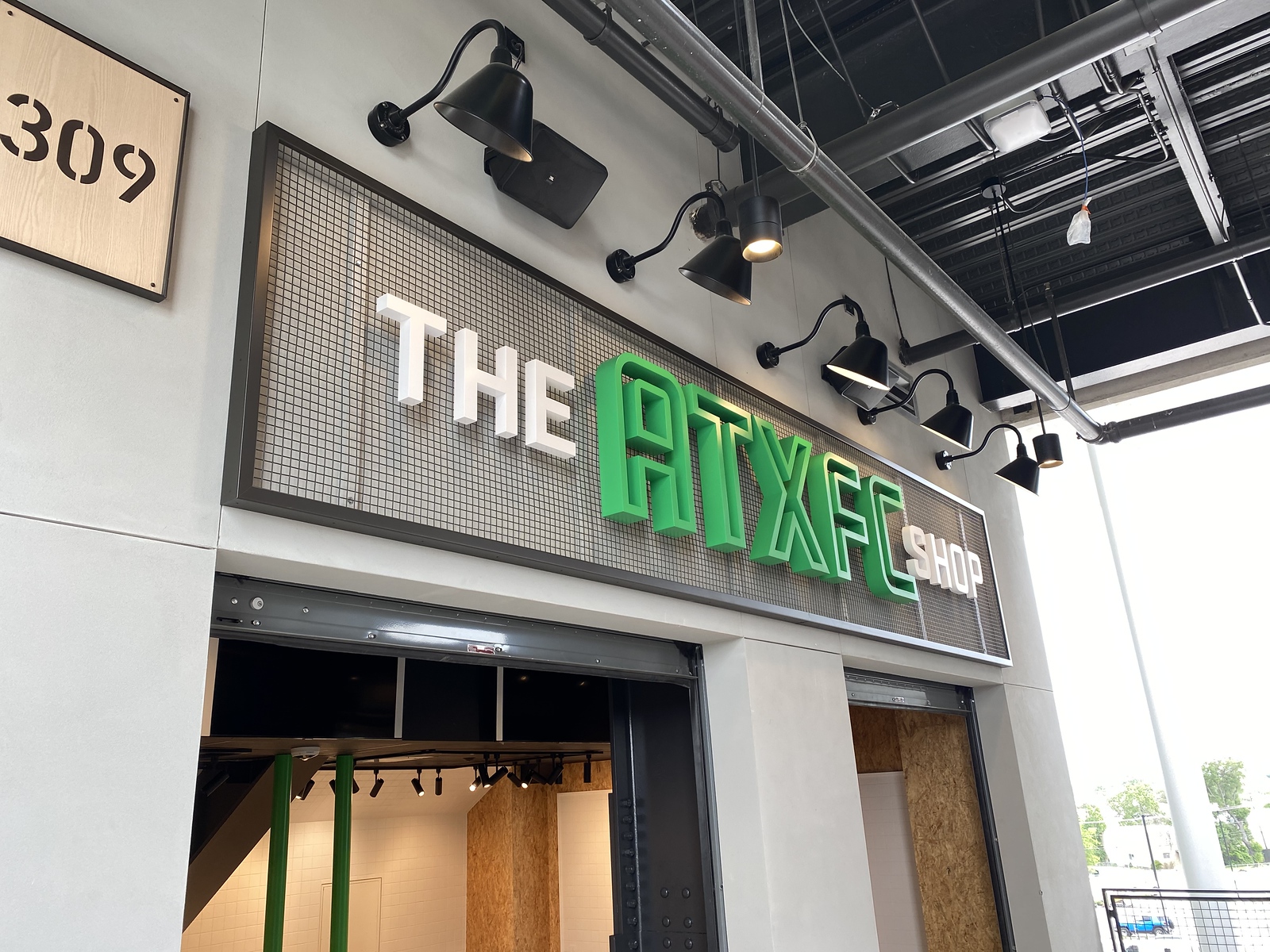
The result is more than signage. It’s dimensional lettering that defines a lobby experience, wall graphics that reinforce culture and identity, and wayfinding systems that move people through complex environments with confidence and ease.
For ownership groups and property managers, this is the layer of the project that is experienced daily by tenants, visitors, and stakeholders, and that directly influences the perception of quality and value.
We have delivered this work for clients including Miro, Amazon, and NVA - each project shaped by its architecture, its brand, and the people it serves.
Graphics aren’t an afterthought, they’re designed into the environment from the start, helping every space communicate with clarity and purpose.






Testimonials
Questions we hear most
Answers from the team that designs, documents, fabricates, and installs the work.
Yes. Every interior signage program we design meets the 2010 ADA Standards for Accessible Design — raised tactile characters, Grade 2 braille, non-glare finishes, adequate contrast between character and background, and correct mounting height and location at the latch side of the door.
Compliance is a design input for us, not a final check. Permanent room identification, restrooms, elevators, exits, and areas of refuge each carry their own requirements, and the expensive mistakes happen when signage is specified late in a project, against a deadline, by someone reading the standard for the first time. We review code during design and document it in the drawings you approve, so the package that reaches fabrication is already correct — including on projects where a local jurisdiction or inspector applies the standard more strictly than the federal baseline.
ADA rarely arrives on its own. It is usually one requirement inside a larger wayfinding or identification scope, and we design it as part of that system rather than as a separate line item.
Environmental graphic design is the design of the visual information inside and on a building — wayfinding, identification, regulatory and ADA signage, branded interiors, and experiential installations — developed as one coordinated system rather than as separate pieces. It sits between architecture and graphic design, and it is concerned with how people find their way and what a space communicates about the organization in it.
Both, plus documentation, permitting, and installation. Some fabrication happens in our own shop and the rest goes to specialist fabricators we have worked with for years, selected for the material. In every case the team that set the design intent stays accountable through installation — a model our founder named the "Creative General Contractor."
Earlier than most people do. Signage is often specified near the end, when budget and conditions are fixed and the options have narrowed. Involving us during design lets wayfinding, code requirements, and mounting conditions be resolved in the drawings rather than discovered on site.
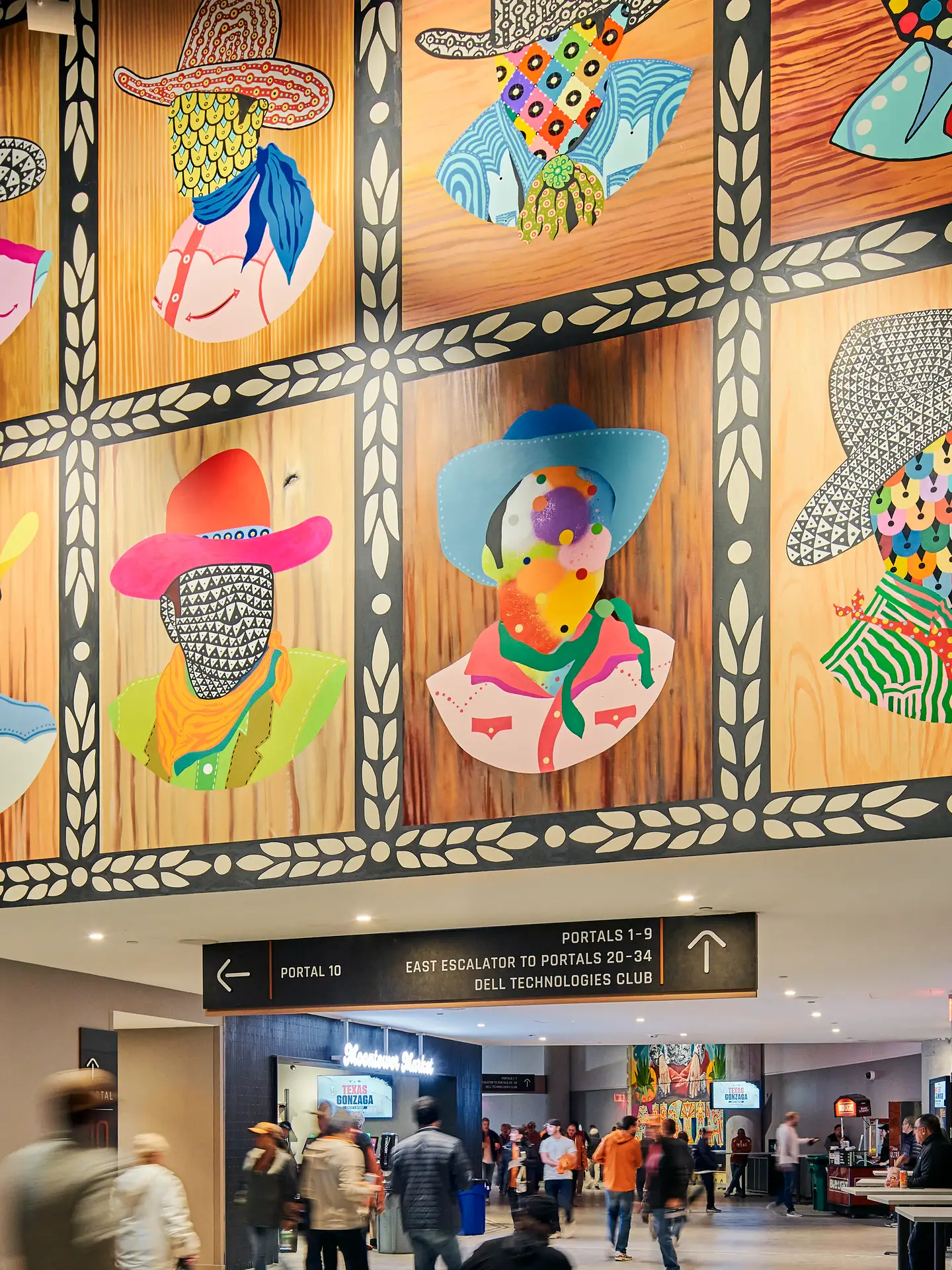
Yes, and most of our projects run that way. Architects and interior designers set the intent for a space; we design the signage and graphics to belong to it, then take responsibility for what the drawings do not settle — engineering, code, mounting conditions, fabrication, and installation. On Moody Center, for example, we worked through multiple design iterations with Gensler to make high-concept sign proposals buildable without losing the design integrity the venue demanded.
Signage is one output of environmental graphic design. The discipline also covers the things that are not signs at all — wall graphics, glass film, dimensional elements, murals, material and color decisions, and the placement of identity within architecture — and it treats all of them, signs included, as one system developed against the same decisions about hierarchy and movement. A signage package tells people where to go. An environmental graphics program also tells them where they are and who the place belongs to.
During design development, alongside the architecture and interiors. That is when wall surfaces, glass, ceilings, and lighting are still open decisions, and it is when a graphic element can be built into the architecture rather than applied to it afterward. Programs that begin at construction documents can still succeed, but the options narrow to what the finished surfaces allow.
Yes. Large-format printed graphics, painted murals, dimensional wall elements, glass film, and applied patterns are all part of the discipline, and often they do more for a space than a sign does. We design them to the architecture, specify materials that hold up to the building's use and cleaning regime, and coordinate the installation with the finish trades so the graphic goes on a surface that is ready for it.
Closely, and early. In hospitality the signage shares surfaces with millwork, wallcovering, art, and lighting, so we work from the interior designer's finish schedule and FF&E package, coordinate mounting with the trades, and build samples in the actual finishes. At 1 Hotel Austin within Waterline, 252 hotel room signs were designed to the interior's natural-materials palette rather than as a separate product.
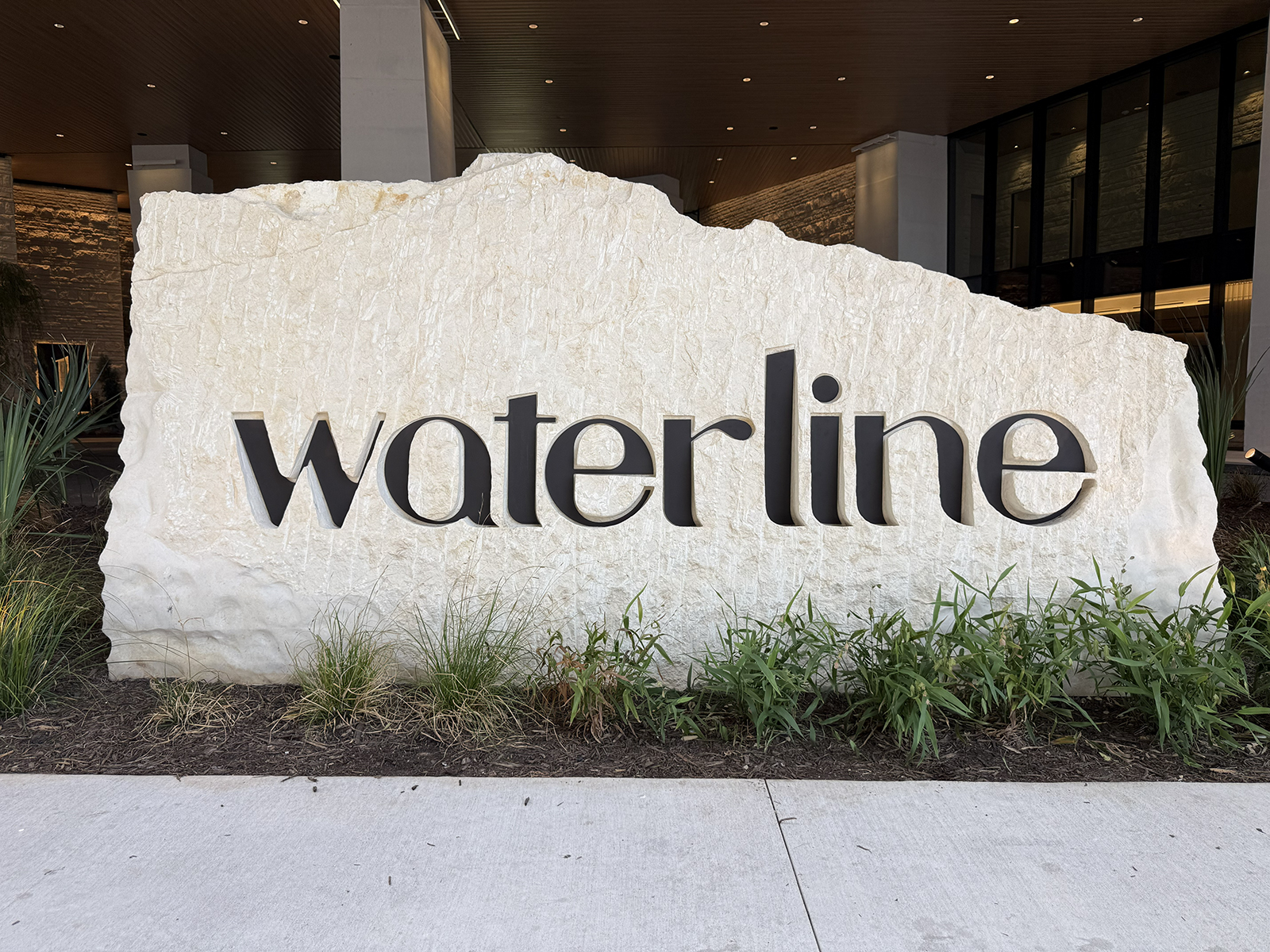
By giving the shared spaces a system of their own. Retail, office, residential, and hospitality uses each need their own identification, but the arrival, the parking, the public routes, and the district identity belong to the whole project. Waterline holds a hotel, an office tower, residences, and public space in one 74-story landmark, and the approximately 5,500 signs across those four environments were designed as one program so the building reads as one address.
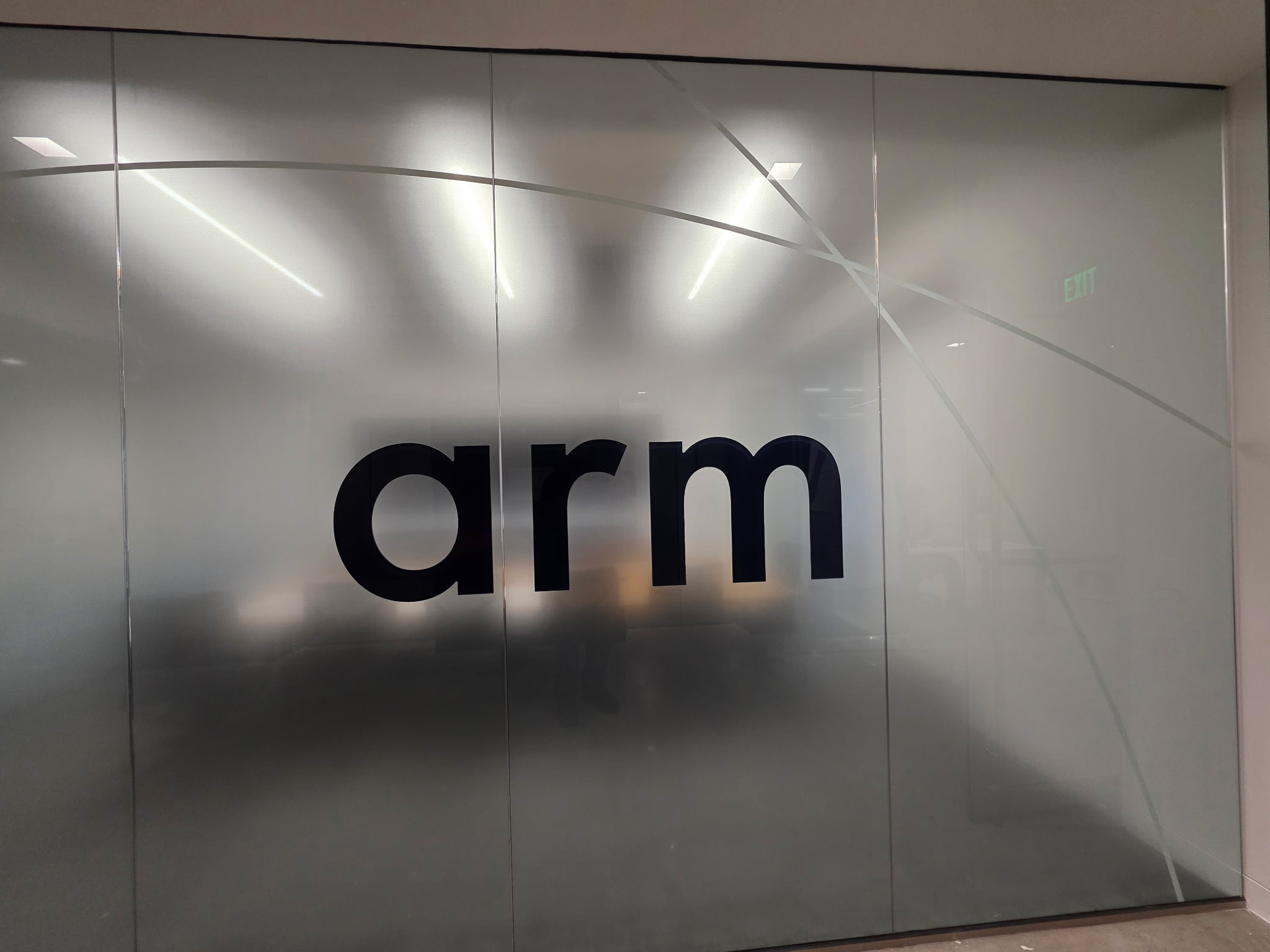
Yes, and it is one of the most useful tools in a workplace. Frosted, gradient, and patterned films give conference rooms and offices privacy while carrying the brand's pattern language, and they satisfy the visibility markings that glass walls require for safety. The film is designed to the glass elevations, produced to fit each panel, and installed after the glazing is complete.